

The short-term rental market is growing rapidly, and Airbnb hosts face more competition than ever. With millions of properties available globally, it’s essential to stand out and run a profitable Airbnb business. To do this, you need more than just a property listing. You need a clear, actionable Airbnb business plan.
Without a plan, running your Airbnb can quickly become overwhelming. Without direction, costs can rise, inefficiencies can occur, and achieving profits can become challenging.
In this guide, we’ll take you through the key elements of a successful Airbnb business plan and provide you with practical steps to create your own. By the end, you’ll have a clear plan for success.
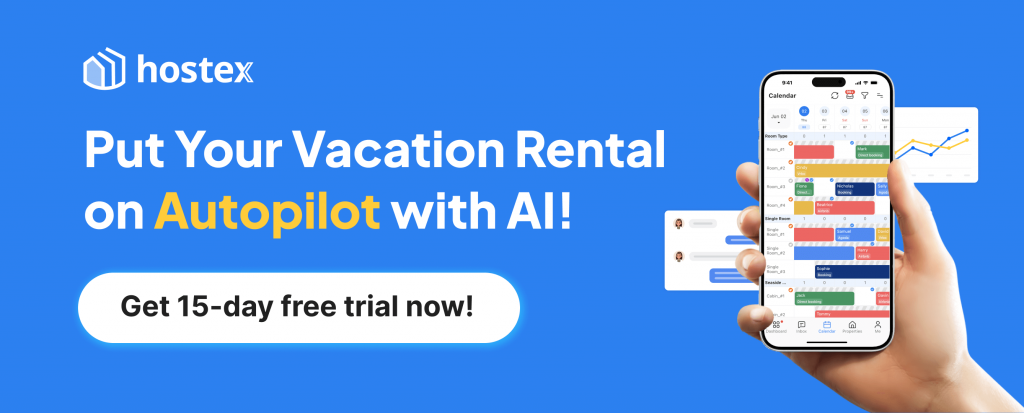
Want to streamline your operations and focus on what matters? Hostex is here to help. With automated tools to handle up to 70% of your daily tasks, you’ll save time and increase efficiency. Start today for just $4.90 per month and take the first step toward business success.
Why a Business Plan is Crucial for Vacation Rental Success
A well-crafted business plan is essential for long-term success. Let’s explore how it benefits you:
1. Setting Clear Goals
A solid Airbnb business plan allows you to establish clear, achievable goals. Whether it’s increasing your occupancy rate, improving guest satisfaction, or expanding your property portfolio, having defined objectives makes it easier to measure progress and stay on track.
2. Managing Finances Effectively
Managing finances is key to success. A business plan helps you create a budget and allocate resources efficiently. By setting financial targets and tracking expenses, you can avoid overspending and ensure that every dollar is used wisely.
3. Minimizing Risks
Without a business plan, it’s easy to face inefficiencies and unexpected costs, especially in a competitive market. A good plan acts as a safety net, reducing risks and helping you navigate challenges effectively. It allows you to foresee potential obstacles and make adjustments before problems arise.

Step-by-Step Guide to Create an Airbnb Business Plan
Creating an effective Airbnb business plan requires careful consideration of your unique business needs and objectives. The process should be customized based on your property, goals, and market.
Here’s a step-by-step guide to help you craft a solid plan:
Step 1: Describe Your Business
Start by outlining the essential details of your Airbnb business. Consider the following questions to define your business clearly:
- What type of property are you offering? Is it a single-family home, an apartment, or a boutique villa? Be specific about the type of accommodation you’re providing.
- Who is your target market? Think about the groups of guests who will most likely book your place. Are you targeting families, solo travelers, business professionals, or couples on a romantic getaway?
- Where is your property located? Highlight the advantages of your location. For instance, are you near popular tourist spots, business districts, or nature reserves?
- What makes your property unique? Consider what sets your property apart from others in your area. Is it the décor, the amenities, or the personalized service you offer?
A clear and concise description of your business will guide your marketing efforts and help potential investors or lenders understand your property’s potential.
Step 2: Conduct Market Research
Market research is crucial for understanding your competition and effectively positioning your Airbnb property. Research the following:
- Analyze your competitors: Look at similar listings in your area. How much do they charge? What amenities do they offer? What are their strengths and weaknesses?
- Market trends: Research trends in the vacation rental industry, such as seasonal demand, average nightly rates, and emerging travel habits. This information will help you set competitive prices and plan your marketing strategy.
- Target customer preferences: What are the key factors that your target customers value? Is it price, convenience, design, or location? Use this information to tailor your property’s appeal.
By understanding the market, you can identify your unique selling points (USPs) and find ways to offer a better guest experience than your competitors.
Step 3: Detail Your Services
What kind of services and amenities will you offer to make your Airbnb stand out from the competition? Think beyond the basics like clean sheets and fresh towels. Here are some ideas:
- Basic services: Cleaning, fresh linens, toiletries, etc.
- Extra amenities: Wi-Fi, Netflix, air conditioning, hot tubs, or a fully-equipped kitchen.
- Personalized services: Providing local tour guides, offering transportation services, or even stocking the fridge with local treats.
Your goal is to not only meet but exceed guest expectations. This step is essential in defining what sets your property apart and making your business memorable.
Step 4: Define Your Management Structure
Next, consider how your Airbnb business will operate on a day-to-day basis. Think through the following points:
- What automation tools will you use to streamline operations?
- Will you manage it yourself or hire staff?
- Who will handle cleaning the rental?
- Will you need to hire an accountant to manage finances?
- Who will handle bookings and customer complaints?
Step 5: Outline Your Marketing Strategy
A strong marketing strategy is critical for attracting guests and growing your business. Consider both online and offline marketing strategies:
- Online strategies: This may include listing optimization on platforms like Airbnb, Booking.com, and Expedia, social media marketing, and paid ads. Make sure your listing is attractive and ranks high in search results by using high-quality photos and detailed descriptions.
- Offline strategies: Think about local partnerships (e.g., working with nearby tour operators, restaurants, or transportation services) to attract guests. You might also consider creating flyers or brochures to distribute in local tourist centers.
- Direct bookings: If you want to reduce commission fees, setting up a personal website with direct booking functionality is a great idea. Hostex can help you build and manage a commission-free booking site quickly.
The goal is to have a well-rounded strategy that targets the right audience and effectively promotes your property.
Step 6: Financial Forecasts
A financial plan is one of the most critical parts. Your forecast should include:
- Startup costs: List all the initial expenses involved in getting your property ready for guests. This could include renovations, furniture, equipment, and marketing.
- Ongoing expenses: Consider utilities, maintenance costs, property management fees, cleaning services, and other operational expenses.
- Revenue projections: Estimate your potential earnings based on your market research. Factor in seasonal fluctuations, booking rates, and your occupancy goals.
- Profitability: Calculate your expected profit margins and break-even point. This will help you assess whether the business is financially viable and when you can expect to start making a profit.
By creating a clear financial picture, you’ll be able to make informed decisions and secure funding if needed.
Step 7: Fundraising (If Necessary)
If you need external funding to get your Airbnb business off the ground, this is where you’ll outline your plan for securing capital. Consider the following:
- Loan options: Will you be taking out a business loan or using personal savings to fund your business?
- Funding sources: Are you seeking investment from outside sources, or will you self-finance your Airbnb?
- Repayment plan: If you’re taking a loan, outline your repayment strategy to ensure you can meet your obligations.

5 Tips for Creating a Standout Airbnb Business Plan
Crafting an Airbnb business plan that stands out can make a significant difference in your success. Here are five tips to ensure your plan is both effective and compelling:
Tip 1: Keep It Simple and Clear
Avoid using overly complex language or jargon. Your business plan should be easy to understand, even for someone who isn’t familiar with the vacation rental industry. Keep your points concise and straightforward to ensure clarity.
Tip 2: Be Realistic
Set achievable, realistic goals. While it’s important to aim high, your projections should be grounded in reality. Overly ambitious forecasts can set you up for disappointment and may make potential investors or lenders skeptical.
Tip 3: Use Visuals and Graphics
Visuals like charts, graphs, and images can make your plan more engaging and easier to digest. Use them to highlight key data, such as financial projections or market trends. A well-designed plan can grab attention and leave a lasting impression.
Tip 4: Review and Update Regularly
The short-term rental market is always evolving. Regularly review and update your business plan to reflect changes in market conditions, competition, or your business strategy. An up-to-date plan will always serve you better than one that’s out of touch.
Tip 5: Seek Professional Help
If you’re not confident in your ability to write a comprehensive business plan, don’t hesitate to seek professional help. An expert can ensure your plan is thorough, realistic, and tailored to your unique business needs.

Airbnb Business Plan Example
For most people, the easiest way to get started is by learning from successful examples. That’s why we provide an Airbnb business plan template for you. You can customize it based on your own situation and use it as a blueprint for your business.
(The following content is fictional.)
Executive Summary
Sunset Shores Retreat is a beautiful two-bedroom, two-bathroom vacation rental located in the picturesque coastal city of Blue Haven. The property offers a serene environment for couples, small families, or groups of friends looking for a relaxing getaway by the beach. With a private pool and proximity to both local attractions and the beach, Sunset Shores Retreat provides an ideal spot for short-term stays. Our goal is to offer guests a peaceful, high-quality experience that keeps them coming back.
Operations Plan
I will personally manage the property, as it’s simple with automation tools. To streamline daily tasks, I will use Hostex to automate key functions, including calendar management, bookings, guest messaging, and housekeeping scheduling. This allows me to efficiently run the property, even when I’m traveling, and stay updated on business performance at all times.
For cleaning and property turnover, I have contracted a professional cleaning service to ensure the property remains spotless and ready for guests after every stay. This partnership ensures that I can provide a high level of service without being overwhelmed by the operational details.
Business Goals
- Short-Term Goal: We aim to achieve 50% occupancy within the first 3 months and 75% occupancy within 6 months.
- Long-Term Goal: By the end of the first year, we aim for full occupancy on weekends and a steady 80-90% overall booking rate, to increase our revenue by 30% year-over-year.
- Sustainability Goal: We plan to implement eco-friendly practices, such as solar panels and water-saving systems, to align with sustainability goals by the end of the second year.
Unique Selling Points
- Location: Sunset Shores Retreat is just a 5-minute walk from Blue Haven Beach and offers stunning sunset views over the ocean. The property is also close to popular restaurants and local attractions, making it a great option for tourists.
- Private Pool: A key feature that sets this property apart from others in the area is the private pool, which offers a luxurious and private experience for guests.
- Fully Equipped Kitchen: With a fully stocked kitchen, guests can enjoy a home-like experience, perfect for longer stays or families who prefer home-cooked meals.
- Pet-Friendly: We allow small pets, making our property ideal for pet owners who don’t want to leave their furry friends behind.
Target Customers
- Couples: Ideal for couples looking for a romantic getaway by the beach with private amenities such as a pool and a tranquil setting.
- Small Families: Perfect for small families with children who want a comfortable and safe space near the beach with family-friendly amenities.
- Groups of Friends: Groups of friends can enjoy the relaxed atmosphere, private pool, and nearby beach for weekend getaways or vacation retreats.
- Pet Owners: Our pet-friendly policy caters to guests traveling with pets, offering them a stress-free stay in a beautiful setting.
Competitor Analysis
The coastal city of Blue Haven is becoming increasingly popular among tourists, though competition in the vacation rental market is still moderate. Many other rentals in the area are located farther from the beach and lack private pools. Some properties charge higher rates due to added luxury amenities, while others cater to larger groups.
Differentiation Strategy:
- We will offer a unique combination of affordability, location, and amenities such as the private pool, which most competitors don’t have.
- By targeting smaller groups and families, as well as offering personalized service and pet-friendly accommodations, we can attract guests looking for a peaceful retreat without the high price tags of larger properties.
Marketing Plan
To ensure we stand out and reach our target audience, we will implement a marketing strategy that leverages both online and offline channels:
- Airbnb Listings: The primary platform for booking will be Airbnb, where we will optimize our listing with high-quality photos and detailed descriptions.
- Social Media: We will actively post on Instagram, Facebook, and Pinterest, showcasing the property’s amenities and surroundings. Regular posts will highlight guest experiences, poolside lounging, and sunset views.
- Google Ads: We plan to use Google Ads to target tourists searching for beachside rentals in Blue Haven, focusing on keywords like “coastal vacation rental with pool” and “family-friendly Airbnb near Blue Haven beach.”
- Local Partnerships: We will collaborate with local tour operators, restaurants, and businesses to offer discounts or special deals for guests, promoting mutual business growth.
Financial Plan
Initial Investment: The property was purchased outright, but we’ve invested in furnishing, decorating, and landscaping to make it ideal for short-term rentals. The estimated initial investment for setup is $20,000.
Revenue Projections:
- Based on the local market rate of $150-250 per night for similar properties, we project an average nightly rate of $200.
- Year 1: Based on our goals of achieving 75% occupancy, we anticipate approximately $54,750 in revenue.
- Year 2: We aim for 80% occupancy and anticipate $75,000 in revenue.
- Year 3: With a steady increase in bookings and a potential rate hike to $225 per night, we project $100,000+ in revenue.
Funding Strategy: The initial investment is being funded through personal savings. We do not plan to seek external financing, as the property is already paid off.
Milestones and Goals
- 3-Month Goal: Achieve 50% occupancy with targeted social media and Airbnb optimization.
- 6-Month Goal: Reach 75% occupancy, refine guest experience based on reviews, and introduce small additional services like bike rentals.
- 1-Year Goal: Achieve 80-90% occupancy, establish repeat guests, and build a strong local partnership network.
- 2-Year Goal: Increase revenue by 30% year-over-year, implement sustainability measures, and expand into other vacation properties in the area.

Final Thoughts
While it’s essential to have a clear direction, avoid being overly vague or overly detailed in your plan. Stay specific enough to measure progress, but leave room for adjustments. Overly ambitious or impractical goals can lead to frustration, while being too rigid can limit your flexibility as your business grows.
And creating a solid Airbnb business plan is just the beginning. As your business grows, it’s important to revisit and update your plan to ensure it continues to align with your evolving goals and market conditions. Flexibility is key to maintaining long-term success.
Additionally, as your business expands, simplifying routine tasks becomes increasingly important. It’s easy to get caught up in the day-to-day operations, but remember, focusing too much on small tasks can take your attention away from more strategic decisions.
That’s where automation tools like Hostex can make a real difference. By automating repetitive tasks, you free up valuable time and energy to focus on what matters most, sticking to your business plan and pushing towards your long-term objectives.

 English
  Japanese
  Spanish
  Arabic
  French
  Russian
  German
  Portuguese
  Korean
  Italian
  Thai
Thai