
Most vacation rental hosts already list their properties on platforms like Airbnb, Booking.com, and Vrbo because it increases overall exposure. However, competition on these marketplaces has intensified year after year. As a result, it has become harder to stand out, especially during shoulder seasons and slower periods when demand softens. For many hosts, relying only on traditional short-term rental channels is no longer enough to keep calendars consistently full. This is where Furnished Finder becomes worth serious consideration.
Furnished Finder focuses on mid-term stays and attracts guests such as traveling professionals, remote workers, and corporate renters. Therefore, it introduces a different booking pattern with longer stays and fewer turnovers. In this guide, you will learn how to evaluate whether Furnished Finder aligns with your property and revenue goals. More importantly, you will gain practical guidance you can apply without guesswork.
If you manage listings across multiple platforms, daily operations can quickly become time-consuming. In that case, using a professional tool like Hostex can make a real difference. Hostex helps automate repetitive tasks and keeps your listings organized in one place. As a result, you free up time to focus on pricing strategy, guest experience, and long-term growth. Plans start at just 4.9 dollars per month.
What Is Furnished Finder
Furnished Finder is a rental platform built specifically for mid-term furnished housing. According to its official definition, it connects property owners with traveling professionals who need stays ranging from one to six months. These renters are not tourists; most are healthcare workers, consultants, educators, or remote professionals who relocate on fixed assignments and need housing quickly.
The importance of Furnished Finder is not about another place to list a property. It exists because a real demand gap has grown over time. Many professionals need flexibility without the instability of short stays. At the same time, they want faster placement than traditional leasing allows. Short-term rental platforms focus on nightly turnover, while long-term rental sites prioritize year-long commitments. Furnished Finder fills the space between these two models, which explains why the platform continues to grow.
From a short-term rental host perspective, the platform is structured very differently from commission-based marketplaces. Furnished Finder operates on an annual subscription model rather than charging per booking. Hosts pay a fixed fee and keep the full rent agreed with the tenant. As a result, revenue is more predictable, and margins are easier to control. This structure is one of the main reasons many hosts view the platform as more landlord-friendly.
Furnished Finder vs Airbnb: Key Differences Hosts Must Understand
Although Furnished Finder and Airbnb both involve furnished rentals, they serve very different purposes. Hosts who treat them as interchangeable often misjudge performance and risk. The following differences matter most in real-world operations.
1. Target Guest Profile
Airbnb primarily attracts short-stay travelers such as tourists and weekend visitors. Seasonality, events, and price competition influence demand.
Furnished Finder serves professionals on temporary assignments, including traveling nurses and corporate staff. These renters usually have fixed timelines and clear housing needs. As a result, booking intent is stronger, and stay length is longer.
2. Income Structure
Airbnb revenue depends on nightly pricing, occupancy, and platform commissions. Earnings can fluctuate significantly from month to month.
Furnished Finder operates on a flat annual fee model. Hosts keep the full rental income agreed with the tenant. Therefore, margins are easier to control and forecast.
3. Booking Cycle and Cash Flow Stability
Airbnb bookings often arrive in short windows and require constant calendar management. Income tends to be uneven, especially in slower months.
Furnished Finder bookings typically cover several months at a time. Once a tenant is secured, cash flow remains stable throughout the lease period. This predictability appeals to hosts who value consistency.
4. Operational Intensity
Airbnb hosting involves frequent guest communication, cleaning coordination, and turnover logistics. Reviews and response times directly affect visibility.
Furnished Finder reduces daily operational pressure after move-in. The focus shifts to screening, lease terms, and maintenance rather than hospitality execution. Consequently, the ongoing workload is lower.
5. Management Approach
Airbnb rewards active management, dynamic pricing, and constant optimization. Performance depends on speed and flexibility.
Furnished Finder resembles a more traditional rental model. Success depends on clarity, communication, and process. In short, the mindset and management style required are fundamentally different.

How to List on Furnished Finder Step by Step
If you’re ready to list your property on Furnished Finder and attract a wide range of long-term tenants, follow these steps to ensure a smooth and successful listing process:
Step 1: Prepare Your Host Profile
Your host profile is the first impression for potential tenants. Unlike Airbnb, mid-term tenants care more about reliability than charm. When creating your profile, focus on:
- Experience: Highlight your background managing furnished rentals and any professional references.
- Responsiveness: Emphasize that you reply promptly to inquiries and maintain clear communication.
- Clarity: Provide precise information about your property, rules, and expectations.
Avoid simply copying your Airbnb bio. Furnished Finder tenants value trustworthiness and professionalism above personality. Present yourself as a responsible housing provider rather than a vacation host.
Step 2: Create the Listing with the Right Focus
How you present your property can make or break a tenant’s interest. Focus on livability, practicality, and comfort rather than short-term “vacation style.” Key areas to pay attention to include:
Photo Strategy
- Show full rooms, including functional spaces such as kitchens, living areas, and bedrooms.
- Include work-friendly areas and storage options.
- Avoid overly decorative or staged photos that suggest a temporary stay.
Listing Description
- Highlight how the space supports daily living.
- Mention utilities, high-speed internet, and parking if available.
- Describe furniture quality, workspace setup, and proximity to essentials like grocery stores or public transport.
- Frame your listing for someone relocating or on a professional assignment rather than a tourist.
Step 3: Listing Review and Approval
Furnished Finder requires a verification process to maintain listing quality. This may include a consultation with a housing specialist. The purpose of this review is to ensure your property meets platform standards and is suitable for traveling professionals. During the process, the specialist may suggest adjustments to photos, descriptions, or other listing details.
Once your listing is approved, it will be published both on Furnished Finder and TravelNurseHousing.com, giving your property national visibility. To keep your listing attractive and discoverable, review it regularly and update photos, pricing, and availability as needed.
Is Furnished Finder Right for Your Airbnb
Deciding whether Furnished Finder is a good fit depends on your property type, location, and hosting goals. Not every listing will perform equally, so understanding the characteristics that attract mid-term tenants is crucial. Below is a breakdown of common property types and how they fare on the platform.
Urban Apartments
City apartments often appeal to traveling professionals who need easy access to work, public transport, and local amenities. High-rise apartments or centrally located units can perform very well if they are furnished, functional, and professionally presented. Consider listing on Furnished Finder if your apartment:
- Has reliable internet and work-friendly spaces.
- Is close to hospitals, universities, or corporate offices.
- Can be rented for at least one month consistently.
Suburban Single-Family Homes
Suburban houses attract professionals relocating with families or those on longer assignments who value space and privacy. These properties can command higher monthly rents, but success depends on accessibility to workplaces or highways. Consider Furnished Finder if your house:
- Offers multiple bedrooms and functional living areas.
- Includes essentials such as parking, laundry, and kitchen appliances.
- Can accommodate stays of one to six months without extensive turnover.
Family-Oriented Properties
Properties designed for families—both apartments and houses—work well if they are safe, spacious, and have kid-friendly features. Mid-term tenants appreciate stability, so these listings should clearly highlight family conveniences. Consider Furnished Finder if your property:
- Has multiple bedrooms and enough living space.
- Includes safety features like gated entries or childproofed areas.
- Is close to schools, parks, or family-oriented services.
Investment Properties vs Owner-Occupied Homes
Investment properties often benefit the most from Furnished Finder because they can be fully dedicated to mid-term rentals, minimizing scheduling conflicts. Owner-occupied homes may still work, but only if the host can provide consistent access and privacy for tenants. Key considerations:
- Investment properties should have flexible layouts and professional furnishings.
- Owner-occupied homes should clearly define shared spaces and guest rules.
- Evaluate whether managing a mid-term tenant fits your availability and hosting style.
By matching your property type with tenant needs, you can determine whether Furnished Finder makes sense for you. Properties with functional layouts, professional furnishings, and easy access to workplaces or amenities tend to perform best. Conversely, listings with irregular availability, limited space, or inconsistent access may struggle to attract quality mid-term tenants.
Operational Tips for Listing on Furnished Finder
Successfully listing on Furnished Finder is more than just creating a profile. To maximize bookings and protect your investment, hosts need a clear strategy for pricing, risk management, and multi-channel operations.
1. Set the Right Pricing Strategy
Furnished Finder pricing works differently from nightly short-term rentals. Unlike Airbnb, which charges per night and often fluctuates with demand, Furnished Finder focuses on monthly rates for mid-term stays. A good starting point is to convert your Airbnb nightly rate into a reasonable monthly rate. For example, multiply your average nightly rate by 28 to 30 days, then adjust downward slightly to account for longer-term occupancy.
When setting your price, consider whether utilities are included. Tenants often prefer all-inclusive pricing, which can make your listing more attractive but requires factoring in electricity, water, internet, and other recurring costs. Discounts for longer stays are another effective tactic. Offering a small reduction for leases of three months or more can increase occupancy and reduce turnover. Regularly reviewing comparable listings in your area will also help you maintain competitive pricing without undercutting your revenue.
2. Risk Management
Protecting yourself as a host is critical. Mid-term tenants reduce turnover risk, but new challenges arise. Start with thorough tenant screening. Furnished Finder provides some guidance, but professional guest screening tools can help verify employment, rental history, and references.
A written lease is highly recommended. Clear terms for rent, duration, utilities, and responsibilities protect both parties.
Additionally, collecting a security deposit is important, especially since Furnished Finder’s built-in protections are limited. Platforms like Hostex can facilitate secure deposit collection and management.
To minimize long-term tenant risks, set expectations clearly from the start. Specify move-in and move-out dates, property use rules, and procedures for maintenance requests. Consistent communication and documentation will reduce misunderstandings and potential disputes.
3. Use Furnished Finder Together With Airbnb
Furnished Finder does not have to replace your Airbnb business. In fact, combining both platforms strategically can improve occupancy and stabilize income. Use Furnished Finder for mid-term bookings during shoulder seasons or when you have longer periods of availability. Keep Airbnb for high-demand periods, weekends, or peak travel seasons.
By adjusting platform focus based on seasonality, you can reduce vacancy and balance revenue streams. This long-short rental combination allows hosts to maintain consistent cash flow while benefiting from both high-turnover and stable mid term bookings. In practice, a carefully managed calendar across multiple platforms can increase your annual yield and reduce reliance on a single source of tenants.
FAQs
How much does it cost to list my property on Furnished Finder?
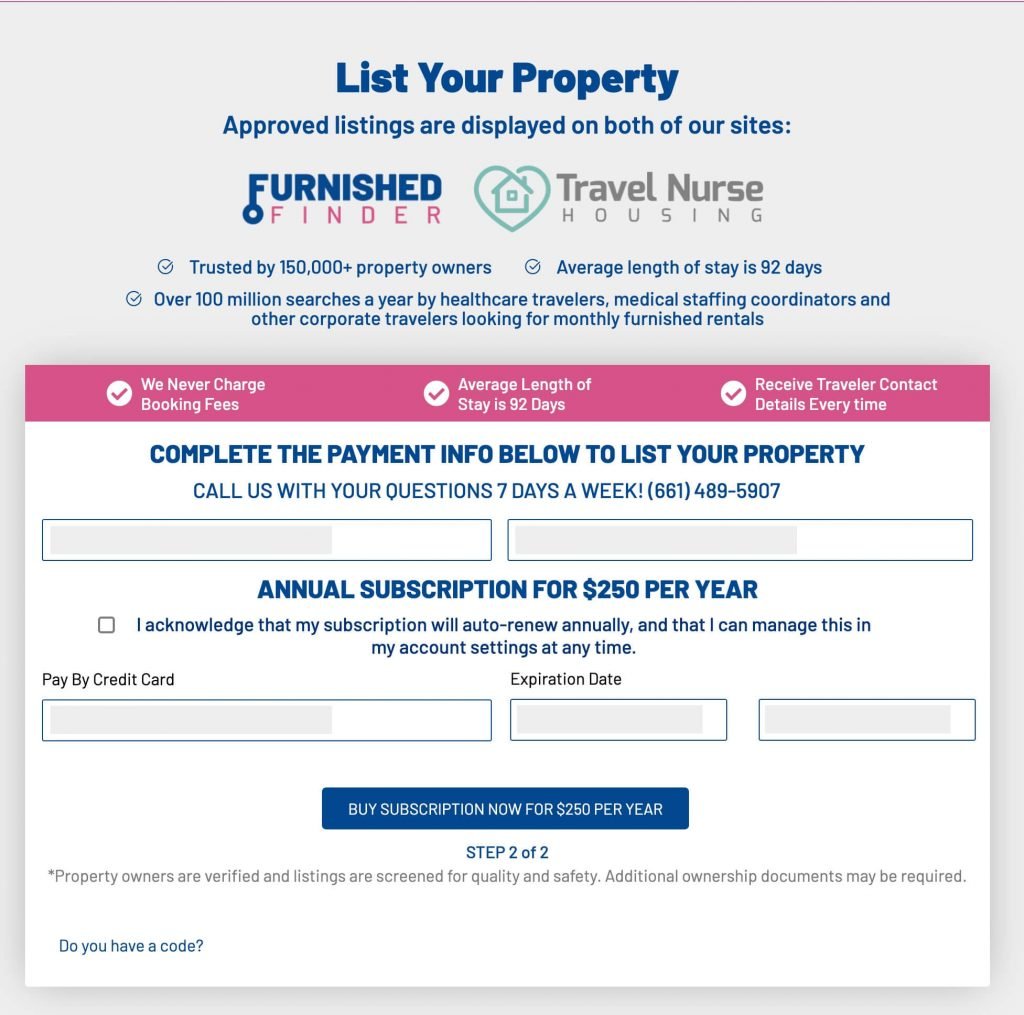
Furnished Finder offers listing services without any booking or commission fees. Nonetheless, there is a fee associated with listing your property, with a minimum duration requirement of 30 days. The membership fee depends on the property type selected.
- Entire Place and Private Room – $149/year
- Hotel – $250/year,
- Apartment Complex – $750/year
How long does it take to list my property on Furnished Finder?
Listing your property on Furnished Finder is a quick and easy process. It typically takes just a few minutes to create your listing, add photos, and provide all the necessary information about your property. Once submitted, your listing will be reviewed and approved within a short period.
How does Furnished Finder ensure the safety and suitability of tenants for property owners?
Furnished Finder provides free tenant screening tools, including credit and background checks conducted through KeyCheck. This ensures a secure and beneficial arrangement for all parties involved. Additionally, Furnished Finder’s housing request system and automated matching process help connect property owners with travelers who meet their specific leasing requirements.

How can I connect with guests on Furnished Finder?
Furnished Finder recommends enabling SMS/text notifications to stay informed about booking requests and messages from interested travelers. This allows you to promptly respond to inquiries and ensure efficient communication with potential tenants.
How do I sign an agreement with Furnished Finder tenants?
You can seamlessly complete your lease agreement using the state-approved, tailored leases provided by Furnished Finder specifically for furnished spaces. Once you send the confirmation letter, your property will be officially listed for rent. This streamlined process ensures a secure and efficient leasing experience for both property owners and tenants.
What else can you do to make my listing stand out on Furnished Finder?
To make your Furnished Finder listing stand out, consider selecting the Owner Verification Badge at checkout. This badge instills confidence in Furnished Finder travelers who frequently seek new housing options every two months. It verifies your ownership status and financial stability, prioritizing safety. By displaying this badge, you showcase that you have undergone additional verification and are a trusted property owner.

 English
  Japanese
  Spanish
  Arabic
  French
  Russian
  German
  Portuguese
  Korean
  Italian
  Thai
Thai
It seems too complicated and xtremely extensive for me.
I aam having a loolk forward for your next put up, I will try
to get the hang of it!
This article hit home for me.
Thank you for being so open!
It really resonated with me.
Thanks!
This was a great article.
Fantastic blog!
thank you