
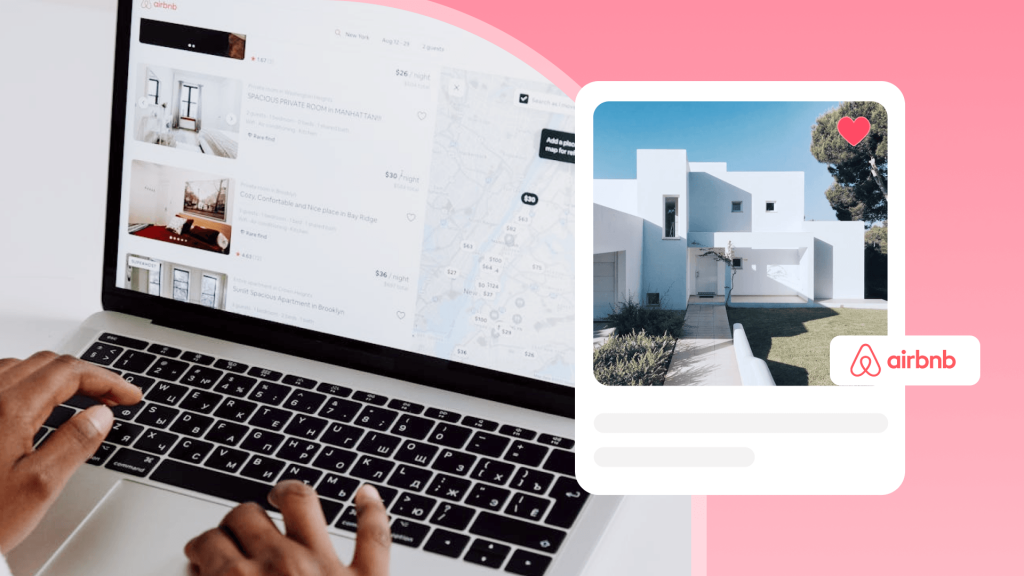
สรุปสั้นๆ: Recent data shows a significant share of bookings now happen within a week of arrival, reflecting more flexible travel behavior. This is where Airbnb last-minute deals can make a difference.
- Airbnb last-minute deals let hosts set automatic discounts for bookings made 1–28 days before check-in. When the discount is 10% or higher, Airbnb may show a crossed-out original price in search results, making the offer more visible to guests.
- A tiered discount approach works better than a flat rate. Many hosts adjust discounts based on timing, such as 10–15% at 28 days out, 15–20% at around two weeks, and 20–30% within the final week. This helps fill gaps without training guests to always wait for discounts.
- Pricing should always stay above a clear floor rate. A simple break-even check includes cleaning, supplies, utilities, and other variable costs per stay. Discounts that fall below this level reduce overall profitability.
- For multi-property hosts, PMS tools like โฮเท็กซ์ help manage Airbnb last-minute discounts across listings from one place, reducing manual work and keeping pricing rules consistent.

Empty nights are inevitable in short-term rentals. Even well-performing properties have gaps between bookings from time to time. This is where Airbnb last-minute deals can make a real difference. Used wisely, they help turn vacant nights into revenue without relying on constant price cuts.
The problem is that many hosts treat every empty night the same. They lower prices too quickly or offer bigger discounts than necessary. Over time, that can hurt both revenue and guest expectations.
In this guide, we’ll look at when last-minute discounts actually work, how to price them strategically, and how they fit alongside other Airbnb discount options.
What Are Airbnb Last-Minute Deals?
Airbnb last-minute deals let you offer automatic discounts for bookings made shortly before check-in. Instead of adjusting your nightly rate manually every time you spot an empty night, you set the discount rules once, and Airbnb applies them whenever a booking qualifies.
It’s a simple way to make your listing more appealing when the check-in date is approaching, while keeping your pricing strategy consistent.
How Do Airbnb Last-Minute Deals Work?
The process is straightforward:
Choose a booking window
        ↓
Set your discount
        ↓
Eligible guests see the discounted price
        ↓
Airbnb applies the discount automatically
You can choose a booking window from 1 to 28 days before check-in and set either a percentage discount or a fixed amount.
If your discount meets Airbnb’s display requirements, guests may also see the original price crossed out in search results. This makes the savings easier to spot before they even open your listing.
How Is It Different from Other Airbnb Discounts?
Last-minute discounts are only one part of Airbnb’s discount toolkit. Each promotion is designed for a different booking scenario.
| Discount | ดีที่สุดสำหรับ | Typical timing |
|---|---|---|
| Last-minute discount | Filling unexpected vacancies | 1 to 28 days before check-in |
| Early-bird discount | Securing bookings earlier | 30+ days before check-in |
| Mobile-only discount | Reaching guests who book on the Airbnb app | Any time |
| Highly-rated guest discount | Attracting trusted guests | Any time |
| Weekly or monthly discount | Encouraging longer stays | Based on trip length |
| New listing promotion | Getting your first bookings and reviews | New listings |
Rather than relying on a single promotion, many experienced hosts combine different discounts throughout the booking cycle. We’ll look at a practical strategy later in this guide.
Why Are Last-Minute Bookings Becoming More Common?
Last-minute bookings are no longer unusual. They have become a regular part of the short-term rental market.
Flexible work arrangements, mobile booking habits, and changing travel plans all encourage guests to book closer to their arrival date. According to the Skift Travel Health Index, 40% of hotel bookings in the US are now made within seven days of arrival. Globally, the share has grown from 18% in 2019 to 21%.
For hosts, this means empty nights are more likely to be filled than they were a few years ago. However, success depends on having the right pricing strategy. Discounting too early or too aggressively can reduce revenue just as easily as it increases occupancy.
How to Set Up Airbnb Last-Minute Discounts
Setting up a last-minute discount only takes a few minutes.
- Open your listing in the Airbnb Host dashboard.
- ไปที่ การกำหนดราคา.
- Scroll to More discounts and choose Last-minute discount.
- Select the booking window, from 1 to 28 days ก่อนเช็คอิน
- Enter your discount as either a percentage or a fixed amount.
- Save your changes.
Once the discount is active, Airbnb will automatically apply it whenever a reservation meets the conditions you set.
If you manage your Airbnb listings with โฮเท็กซ์, you can also configure last-minute discounts directly from the Pricing & Rules section. The settings sync with Airbnb, so you can manage your pricing preferences without switching between platforms.
Hostex also supports other Airbnb discount types, including early-bird discounts, mobile-only discounts, highly-rated guest discounts, และ new listing promotions. This makes it easier to keep your pricing strategy organized as your portfolio grows.
How to Set the Right Last-Minute Discount
Offering a last-minute discount doesn’t mean you should cut prices as much as possible. The goal is to fill empty nights without giving away revenue you could have earned anyway.
One of the biggest mistakes hosts make is using the same discount for every last-minute booking. A guest booking three weeks before check-in usually doesn’t need the same incentive as someone booking tomorrow.
A tiered discount strategy is often a better approach.
| Time Before Check-in | Suggested Discount | Why It Works |
|---|---|---|
| 21 to 28 days | 10% to 15% | Encourage earlier bookings while protecting your rate. |
| 7 to 21 days | 15% ถึง 20% | Increase visibility as check-in gets closer. |
| 1 to 7 days | 20% to 30% | Fill nights that might otherwise remain vacant. |
These ranges are general recommendations rather than fixed rules. Your ideal discount depends on demand, seasonality, and your local market.
Ask yourself:
✔ How likely is this night to sell at full price?
✔ Is demand unusually high or low?
✔ Will the discounted rate still be profitable?
✔ Would a smaller discount achieve the same result?
Know Your Lowest Acceptable Price
Before increasing any discount, calculate the lowest nightly rate you’re comfortable accepting.
At a minimum, your rate should cover expenses such as:
- ค่าใช้จ่ายในการทำความสะอาด
- Guest supplies
- สาธารณูปโภค
- ค่าธรรมเนียมแพลตฟอร์ม
- Other variable operating costs
If a discounted booking doesn’t cover those costs, filling the calendar may actually reduce your profit.
One Discount Doesn’t Fit Every Situation
Using the same discount for every booking window creates several problems.
- You may discount nights that would have sold anyway. Some guests are ready to book even without a large promotion.
- Guests may start expecting lower prices. If your listing always becomes cheaper close to check-in, repeat guests may delay booking.
- You lose pricing flexibility. Demand changes every week. Your discounts should be able to change with it.
A gradual discount strategy gives you more control over both occupancy and revenue.
When Last-Minute Discounts Are Not the Right Move
Not every empty night needs a discount. In some situations, lowering prices can do more harm than good.
The key question is simple: Is demand actually weak, or are you just reacting too quickly?
1. High-demand periods
During local festivals, holidays, or major events, demand usually stays strong even close to check-in. In these cases, discounts are often unnecessary.
Guests who need to stay in your area will book regardless of price. Reducing rates here usually means losing revenue on bookings that would have happened anyway.
2. Strong occupancy levels
If your calendar is already close to full, aggressive last-minute discounts are rarely worth it.
At that point, your focus shifts from filling nights to protecting your average nightly rate. A slightly higher ADR often matters more than achieving 100% occupancy.
3. Premium or well-positioned listings
If your property consistently performs well in a higher price range, deep last-minute discounts can work against your positioning.
Small adjustments can help maintain visibility, but heavy discounting may weaken how guests perceive your listing.
4. Below-market pricing
If your base price is already lower than similar listings in your area, adding more discounts usually doesn’t solve the real problem.
In that case, the issue is not timing. It is a pricing strategy.
Other Ways to Capture Last-Minute Bookings
Price is only one lever. In many cases, small operational adjustments can have a bigger impact on last-minute bookings than deeper discounts.
1. Adjust minimum stay rules
Last-minute travelers often look for short stays, especially 1–2 nights.
If your minimum stay is too long, you may miss these bookings entirely. Many hosts adjust the minimum nights dynamically based on how close the check-in date is.
2. Reduce advance notice
If your listing requires a long preparation time, you may be unintentionally blocking same-day or next-day bookings.
Shortening your advance notice window can help capture spontaneous demand, especially during the low season.
3. Improve Instant Book availability
For last-minute searches, guests value speed and certainty.
Listings with Instant Book enabled often convert faster because guests can confirm immediately instead of waiting for approval.
4. Consider direct booking for last-minute stays
If you run your own booking website, last-minute guests can sometimes be redirected there instead of going through OTA platforms.
This helps reduce commission costs, especially when combined with targeted promo codes.
ความคิดสุดท้าย
If you manage a small number of listings, adjusting last-minute discounts manually is still manageable. But as your portfolio grows, pricing decisions quickly become harder to keep consistent.
A PMS helps bring structure to that process by centralizing pricing rules in one place instead of managing each listing separately on Airbnb.
Hostex supports this workflow by letting you configure Airbnb last-minute discounts and other pricing settings from a single dashboard. You can also keep other promotions organized, including early-bird discounts, mobile-only discounts, highly-rated guest discounts, and new listing promotions.
Airbnb last-minute deals work best when they are part of a broader pricing strategy, not a standalone tactic. The key is to stay intentional, keep discounts aligned with your cost structure, and adjust based on real demand instead of guesswork.
FAQs about Airbnb Last-Minute Deals
Does Airbnb have last-minute deals?
Yes. Airbnb allows hosts to set automatic discounts for bookings made 1–28 days before check-in. The discount is applied based on rules you configure in your pricing settings.
How much should I discount for last-minute bookings?
There is no fixed rate. Many hosts adjust discounts based on how close the check-in date is and how likely the night is to sell at full price. The key is to avoid discounting below your break-even level.
Do Airbnb prices go up or down at the last minute?
It depends on demand. Prices may increase during high-demand periods and decrease when supply is higher than demand. Last-minute pricing should always reflect local market conditions.
What is the 75-55 rule on Airbnb?
It is a simple profitability benchmark some hosts use. It helps evaluate whether a discounted booking still makes financial sense after accounting for operating costs.
How is a last-minute discount different from an early-bird discount?
Last-minute discounts apply close to check-in (1–28 days). Early-bird discounts target bookings made well in advance (30+ days or more). They serve different parts of the booking cycle.
Can I set last-minute discounts for multiple listings at once?
Yes. With a PMS like Hostex, you can manage pricing rules across multiple Airbnb listings from one place, instead of updating each listing individually.

 Thai
Thai  English
  Japanese
  Spanish
  Arabic
  French
  Russian
  German
  Portuguese
  Korean
  Italian