

Most Airbnb kitchen essentials lists focus on what to buy. They tell hosts to add more plates, more utensils, and more appliances. But a vacation rental kitchen is not the same as a personal kitchen. Every item has to earn its place.
A well-prepared Airbnb kitchen should give guests the confidence to cook comfortably while helping hosts reduce unnecessary replacements, maintenance work, and operating costs.
In this guide, we will break down what vacation rental kitchens actually need, including:
- A practical Airbnb kitchen checklist by property type
- Recommended cookware, appliances, and supplies
- Realistic setup budgets for different rentals
- Which items are worth investing in and which ones are not
- A simple system for keeping the kitchen guest-ready between stays
What Airbnb Guests Actually Expect in a Kitchen
A rental kitchen does not need to look the same across every property. A studio apartment, a family vacation home, and a luxury villa attract different types of guests, and their expectations are not the same.
The right setup depends on three factors:
- ประเภททรัพย์สิน: A city studio usually needs convenience, while a large vacation home needs cooking capacity
- Guest profile: Families and longer-stay guests are more likely to prepare meals
- Listing positioning: A kitchen featured in your photos creates higher expectations
A common mistake hosts make is treating every kitchen checklist as a shopping list. Adding more items does not automatically create a better guest experience. The better approach is to build your Airbnb kitchen essentials around how guests will actually use the space.
The 3-Tier Guest Expectation Framework
Tier 1: The Functional Kitchenette
ดีที่สุดสำหรับ: Studios, private rooms with kitchen access, budget listings, and properties where guests mainly eat out.
The purpose of this kitchen is convenience. Guests should be able to make coffee, prepare a simple breakfast, store food, and reheat leftovers.
Essential items include:
- Microwave
- Mini fridge
- Coffee maker or French press
- Electric kettle
- Basic dinnerware and flatware
- Cutting board and chef’s knife
- Can opener
- Basic cleaning supplies
A Tier 1 kitchen does not need a full cooking setup. Adding large cookware or specialty appliances often creates more storage and maintenance work than value.
Tier 2: The Practical Home Kitchen
ดีที่สุดสำหรับ: Most whole-home rentals, family apartments, suburban homes, and mid-range vacation properties.
This is the standard Airbnb kitchen setup. Guests expect to prepare regular meals, so missing basics becomes much more noticeable.
A practical kitchen usually includes:
- Stove and oven
- Full-size refrigerator and freezer
- Microwave
- Coffee maker, toaster, and kettle
- Pots and pans in different sizes
- Dinnerware and flatware for the maximum guest capacity plus extras
- Basic cooking utensils
- Baking sheet and casserole dish
- Food storage containers
- Common cooking basics such as salt, pepper, and oil
The focus at this level is reliability. Guests do not need professional equipment, but they do need a kitchen that works without frustration.
Tier 3: The Premium Entertaining Kitchen
ดีที่สุดสำหรับ: Luxury listings, large homes, villas, and properties where the kitchen is part of the booking appeal.
Guests choosing these properties are more likely to cook group meals, spend more time in the home, and expect the kitchen to match the quality of the rest of the property.
Beyond Tier 2, consider adding:
- High-quality cookware
- Blender or air fryer
- Slow cooker
- Dutch oven
- Multiple baking dishes
- Roasting pan
- Quality knife set
- Serving platters and bowls
- Wine glasses and matching glassware
- Additional cooking accessories
A simple rule applies here: if your kitchen appears prominently in your listing photos, the real experience should match what guests see online.
What Guests Notice Most in an Airbnb Kitchen
Discussions among Airbnb hosts on Reddit often highlight recurring issues like missing utensils and damaged cookware.
Here are the common issues that lead to complaints:
- Missing basic tools: Small items such as can openers, kitchen scissors, peelers, and wine openers are easy to lose or misplace. Keeping backups and adding them to your turnover checklist prevents unnecessary problems.
- Poor-quality or damaged cookware: A scratched pan, a dull knife, or a damaged cutting board affects the cooking experience immediately. These items should be replaced before they become a guest-facing issue.
- Not enough tableware: For a six-person property, having exactly six plates and six forks is often not enough. Extra sets allow guests to use the kitchen normally without constantly running the dishwasher.
- Dirty kitchen equipment: Cleanliness matters more than the number of items available. A stained coffee maker or greasy pan creates a stronger negative impression than a missing specialty appliance.
Here is what guests usually do not care about:
- Expensive brands: Most guests care about performance, not whether cookware comes from a premium brand. A durable pan that cooks well matters more than the logo on the bottom.
- Having every possible gadget: Guests rarely expect a vacation rental to contain every appliance found in a personal kitchen. Too many unused items create clutter and make cleaning harder.
- How much each item costs: Guests judge the result, not your purchase receipt. A simple, functional setup often performs better than an expensive kitchen filled with items that are difficult to use.
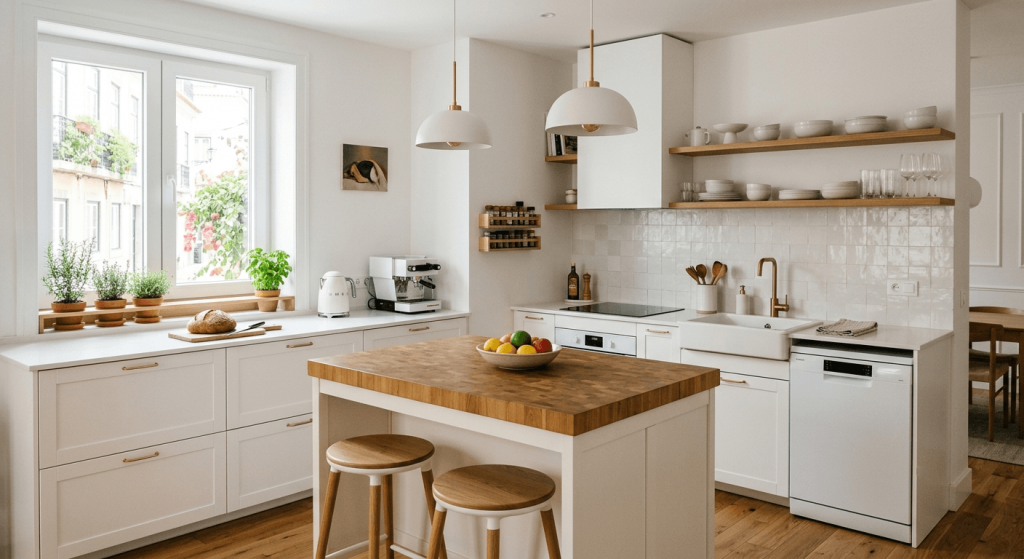
Airbnb Kitchen Essentials Checklist by Category
A well-equipped Airbnb kitchen typically includes nine essential categories of vacation rental amenities and supplies.
| หมวดหมู่ | การตั้งค่าพื้นฐาน | Upgrade Options for Larger or Premium Rentals |
|---|---|---|
| Cookware | Frying pan, saucepan, basic pot | Stainless steel cookware, Dutch oven, specialty pans |
| Knives & Cutting Tools | Chef’s knife, paring knife, cutting boards | Bread knife, honing steel, higher-quality knives |
| Dinnerware | Plates, bowls, mugs, glasses | Matching sets, serving pieces, kid-friendly options |
| Flatware | Forks, knives, spoons, teaspoons | Extra sets and serving utensils |
| Small Appliances | Coffee maker, kettle | Toaster, blender, air fryer, slow cooker |
| Prep Tools | Can opener, peeler, scissors, measuring tools | Additional cooking accessories |
| Bakeware | Baking sheet, casserole dish | Roasting pan, muffin tin, cooling rack |
| Food Storage | Basic containers with lids | Glass storage containers, premium organizers |
| Cleaning Supplies | Dish soap, towels, sponge, trash bags | Dishwasher supplies and additional storage |
The exact items, quantities, and quality will vary depending on your property type, target guests, and overall kitchen setup, but these categories cover the essentials most vacation rentals need for a smooth and comfortable stay.
1. Cookware
Cookware receives some of the heaviest use in a vacation rental, so durability matters more than having a large collection.
A practical setup usually includes:
Tier 1:
- One frying pan
- One small saucepan
Tier 2:
- Additional saucepan
- Stockpot
- Larger frying pan
Tier 3:
- Stainless steel cookware set
- Dutch oven
- Saute pan or specialty cookware
For rental properties, stainless steel and ceramic-coated cookware are usually safer choices than traditional nonstick. Stainless steel handles frequent use well, while ceramic-coated pans make cooking easier for less experienced guests.
Traditional nonstick pans are convenient, but their coating can wear out faster in a high-turnover rental. If you use them, treat them as replacement items rather than long-term investments.
2. Knives and Cutting Tools
Most guests do not need a professional knife collection. A small set of reliable knives is usually enough for everyday cooking.
A practical setup includes:
- 8-inch chef’s knife
- Paring knife
- Serrated bread knife
- Cutting boards
- Knife sharpener or honing tool
For cutting boards:
- Plastic boards are easier to clean and maintain
- Wood boards look more premium but require more care
3. Dinnerware
Dinnerware should match your maximum guest capacity, with extra pieces available for breakage and daily use.
For most Tier 2 and Tier 3 properties, provide:
- Dinner plates
- Side plates
- Bowls
- Coffee mugs
- Water glasses
- Wine glasses when appropriate
Durable options such as tempered glass or Corelle-style dinnerware are popular for rentals because they are lightweight, stack easily, and handle frequent use better than fragile ceramic options.
For family-focused properties, consider adding:
- Kid-friendly plates
- Smaller cups
- Unbreakable options for younger guests
4. Flatware and Serving Utensils
Choose simple stainless steel flatware that can handle repeated dishwasher cycles. Avoid decorative flatware with wooden handles or materials that require special care.
Recommended items:
- Forks
- Table knives
- Soup spoons
- Teaspoons
- Serving spoon
- Slotted spoon
- Ladle
- Tongs
5. Small Appliances
When choosing appliances, simplicity often beats extra features. A reliable appliance with easy controls usually performs better in a rental environment than a complicated model that requires instructions.
Most properties benefit from:
- Coffee maker
- Electric kettle
For standard family rentals:
- Toaster
- Microwave
- Blender or air fryer
For premium properties:
- Espresso machine
- Slow cooker
- Higher-end coffee equipment
6. Prep Tools
Small preparation tools are easy to overlook but are frequently used. Include:
- Can opener
- Vegetable peeler
- Kitchen scissors
- Measuring cups and spoons
- Mixing bowls
- Colander
- Cheese grater
- Wine opener
These smaller items are also more likely to be misplaced. Keeping a few inexpensive backups in your supply closet can prevent last-minute replacements.
7. Bakeware
Bakeware requirements depend on the type of guests your property attracts. Properties that attract families often benefit from simple baking equipment because guests may use the kitchen for casual activities like making cookies or preparing breakfast.
Basic setup:
- Rimmed baking sheet
- Casserole dish
For larger families or premium rentals, consider adding:
- Extra baking sheet
- Muffin tin
- Loaf pan
- Roasting pan
- Cooling rack
8. Food Storage
Food storage is especially important for longer stays and family-oriented rentals. Recommended items:
- Nesting food containers
- Matching lids
- Aluminum foil
- Plastic wrap
- Zip-top bags
For premium properties, glass containers with secure lids create a more polished experience and usually last longer when handled properly.
9. Cleaning Supplies
A clean kitchen often matters more than having additional equipment. Replace consumable cleaning items regularly and include them in your turnover checklist.
Every Airbnb kitchen should provide:
- น้ำยาล้างจาน
- Fresh sponge or scrub brush
- Dishwasher detergent, if applicable
- Dish towels
- Drying rack or mat
- ถุงขยะ
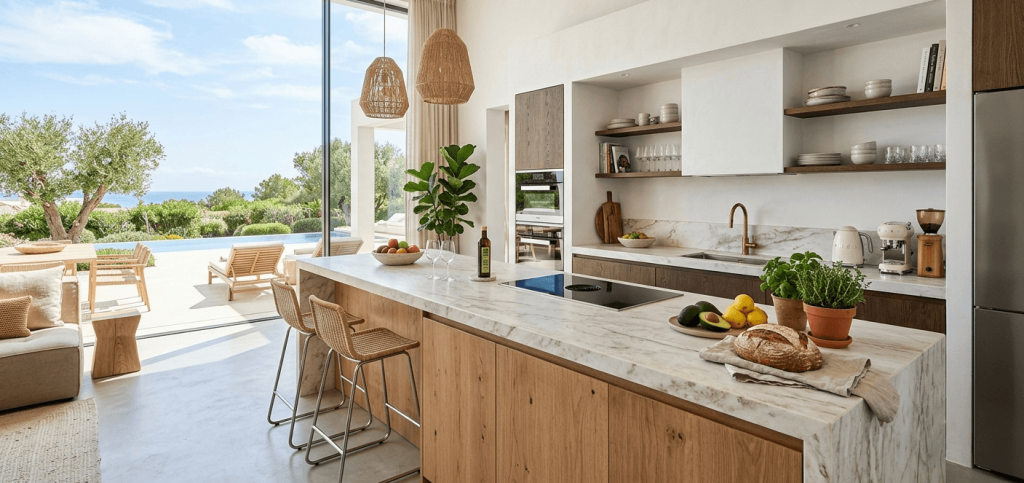
Airbnb Kitchen Setup Cost: Budget by Property Type
There is no single “correct” budget for an Airbnb kitchen. A studio apartment, a family vacation home, and a luxury villa serve different guests and require different levels of equipment.
The estimates below are practical ranges based on common vacation rental setups. Actual costs will vary depending on your location, whether you buy new or used items, and which appliances are already included in the property.
| ประเภททรัพย์สิน | Kitchen Level | Typical Setup Budget |
|---|---|---|
| Studio or City Apartment | Basic kitchenette | $175–$325 |
| Suburban Family Home | Practical kitchen | $370–$685 |
| Beach House | Practical kitchen with higher durability needs | $415–$720 |
| Mountain Cabin | Heavy-use practical kitchen | $485–$815 |
| Lake House / Rural Retreat | Large group kitchen | $475–$820 |
| Villa or Luxury Rental | Premium entertaining kitchen | $890–$1,740 |
1. Studio or City Apartment (Tier 1)
Estimated budget: $175–$325
Small urban rentals usually attract guests who spend more time exploring the area and less time preparing full meals. The kitchen should support simple routines such as coffee, breakfast, storing food, and reheating leftovers.
Recommended budget allocation:
| หมวดหมู่ | Estimated Cost |
|---|---|
| Cookware | $30–$50 |
| Knives and cutting tools | $20–$40 |
| Dinnerware | $25–$50 |
| Flatware | $15–$25 |
| Small appliances | $50–$100 |
| Prep tools | $15–$25 |
| Food storage | $10–$20 |
| Cleaning supplies | $10–$15 |
A kitchenette does not need a large cookware collection. Adding unnecessary equipment often creates more storage and cleaning work without improving the guest experience.
2. Suburban Family Home (Tier 2)
Estimated budget: $370–$685
Family-oriented rentals usually need a more complete kitchen because guests often prepare breakfast, pack lunches, and cook some meals during their stay.
Recommended budget allocation:
| หมวดหมู่ | Estimated Cost |
|---|---|
| Cookware | $80–$150 |
| Knives and cutting tools | $40–$70 |
| Dinnerware | $50–$100 |
| Flatware | $25–$50 |
| Small appliances | $80–$150 |
| Prep tools | $30–$50 |
| Bakeware | $20–$40 |
| Food storage | $25–$45 |
| Cleaning supplies | $20–$30 |
Useful additions for family rentals:
- Kid-friendly plates and cups
- Extra food storage containers
- A toaster or air fryer
- Larger cookware for family meals
3. Beach House (Tier 2)
Estimated budget: $415–$720
Beach rentals often involve larger groups and longer stays. Guests may prepare breakfasts, lunches, and shared dinners, so durability and easy maintenance become especially important.
Recommended budget allocation:
| หมวดหมู่ | Estimated Cost |
|---|---|
| Cookware | $100–$180 |
| Knives and cutting tools | $50–$80 |
| Dinnerware | $60–$100 |
| Flatware | $30–$50 |
| Small appliances | $80–$150 |
| Prep tools | $30–$50 |
| Bakeware | $20–$40 |
| Food storage | $25–$40 |
| Cleaning supplies | $20–$30 |
For coastal properties, choose materials that handle frequent washing and everyday wear. Easy-to-clean surfaces are usually more valuable than decorative items.
4. Mountain Cabin (Tier 2)
Estimated budget: $485–$815
Mountain cabins often serve guests who cook more frequently because restaurants and stores may be less convenient. The kitchen should support group meals and longer stays.
Recommended budget allocation:
| หมวดหมู่ | Estimated Cost |
|---|---|
| Cookware | $120–$200 |
| Knives and cutting tools | $60–$80 |
| Dinnerware | $60–$120 |
| Flatware | $30–$50 |
| Small appliances | $100–$180 |
| Prep tools | $35–$55 |
| Bakeware | $30–$50 |
| Food storage | $30–$50 |
| Cleaning supplies | $20–$30 |
Useful additions:
- Larger pots for group cooking
- Slow cooker
- Durable cookware such as cast iron or stainless steel
- More food storage capacity
5. Lake House or Rural Retreat (Tier 2)
Estimated budget: $475–$820
Large rural properties often combine indoor cooking with outdoor entertaining. Guests may prepare group meals, use grills, and spend more time at the property.
Consider adding:
- Grill tools
- Meat thermometer
- Outdoor-friendly dinnerware
- Blender for drinks
- Slow cooker
- Extra serving dishes
The kitchen budget should also account for outdoor cooking areas if they are part of the guest experience.
6. Villa or Luxury Rental (Tier 3)
Estimated budget: $890–$1,740
Luxury properties have different expectations. When the kitchen is featured in listing photos or positioned as part of the experience, appearance and functionality both matter.
Recommended budget allocation:
| หมวดหมู่ | Estimated Cost |
|---|---|
| Cookware | $250–$500 |
| Knives and cutting tools | $100–$200 |
| Dinnerware | $120–$250 |
| Flatware | $50–$100 |
| Small appliances | $200–$400 |
| Prep tools | $50–$80 |
| Bakeware | $40–$80 |
| Food storage | $50–$80 |
| Cleaning supplies | $30–$50 |
Premium kitchens may include:
- Quality cookware sets
- Better coffee equipment
- Blender or specialty appliances
- Matching glassware
- Serving pieces for entertaining
For these properties, the kitchen is not just a functional space. It is part of the product guests are booking.
How to Maintain Airbnb Kitchen Supplies Between Guests
Setting up an Airbnb kitchen is only the first step. The bigger challenge is keeping it functional after dozens of guest stays, when small items disappear, cookware gets worn, and supplies need regular replacement.
A reliable maintenance system does not require buying extra items for every possible situation. It requires a simple process that helps you identify problems before the next guest arrives. such as:
Guest checkout
↓
Cleaner completes kitchen inspection
↓
Missing, damaged, or low-stock items are reported
↓
Supplies are replaced before the next check-in
↓
Inventory is updated
This small workflow prevents minor issues from becoming recurring operational problems.
1. Create a Kitchen Turnover Checklist
A cleaner should not simply “check the kitchen.” A detailed checklist makes expectations clear and reduces missed items. Include:
- Confirm plates, bowls, glasses, and flatware are available
- Check the cookware condition
- Confirm knives and essential tools are present
- Verify the coffee maker and appliances are working
- Replace damaged or heavily used items
- Refill consumables
2. Track Consumable Supplies
Some kitchen items are used up regularly and should be treated as part of normal operating costs. Add these items to the turnover checklist so cleaners know exactly what needs replenishing. Include:
- น้ำยาล้างจาน
- Sponges or scrub brushes
- Dishwasher detergent
- Paper towels
- Coffee and tea supplies
- Sugar and basic seasonings
- Cooking oil
- Aluminum foil and storage bags
3. Keep a Backup Supply System
Small kitchen items are easy to lose and inexpensive to replace. Store replacements in a locked owner cabinet or supply area so cleaners can swap items immediately before a guest’s arrival. Include:
- Can openers
- Wine openers
- Vegetable peelers
- Kitchen scissors
- Measuring spoons
- Dish towels
- Sponges
4. Schedule Regular Kitchen Audits
Daily turnovers catch immediate problems, but they do not always reveal gradual wear. Every few months, complete a deeper review:
- Compare supplies against your inventory list
- Check cookware for damage
- Remove unused items creating clutter
- Replace worn tools before they fail
- Identify items guests frequently request
A periodic audit helps you make better purchasing decisions because you are upgrading based on actual usage rather than assumptions.
For hosts managing multiple properties, kitchen inspections are easier when inventory checks are built into the turnover process instead of being handled through separate messages or spreadsheets. Tools like โฮเท็กซ์ allow teams to add checklists to cleaning tasks, report missing or damaged items, and keep property operations organized in one place.

FAQs about Airbnb Kitchen Essentials
What is a fully stocked kitchen on Airbnb?
A fully stocked Airbnb kitchen should allow guests to prepare simple meals without needing to bring basic equipment. The essentials include cookware, cooking utensils, sharp knives, dinnerware, flatware, a coffee setup, basic pantry items, and cleaning supplies.
A well-equipped kitchen does not need every possible appliance. It needs the right items for the property type and guest expectations.
How many plates and forks should I provide?
Provide at least the maximum guest capacity plus two extra sets whenever possible.
For example, a property that sleeps 6 guests should ideally have:
- 8 dinner plates
- 8 bowls
- 8 forks
- 8 knives
- 8 spoons
Extra items help cover breakage, missing pieces, and situations where guests need clean dishes before the next dishwasher cycle.
What is the one kitchen item guests complain about most?
Dull knives are one of the most common kitchen complaints because they make even simple food preparation frustrating.
A basic knife sharpener is an inexpensive fix. Instead of replacing knives on a fixed schedule, check their condition regularly and replace them when blades become damaged or no longer perform well.
Should I provide nonstick or stainless steel cookware?
For most vacation rentals, stainless steel cookware is the more durable choice because it handles frequent use and is less vulnerable to guest mistakes.
However, keeping one ceramic nonstick frying pan can be useful for foods like eggs and pancakes. For higher-end properties, offering both stainless steel and quality nonstick cookware provides a better guest experience.
How often should I replace kitchen items in my Airbnb?
Replacement depends on usage, guest volume, and item quality. Typical guidelines:
- Sponges: replace between turnovers
- Nonstick pans: replace when the coating becomes damaged or worn
- Knives: replace when blades are chipped, bent, or difficult to sharpen
- Dinnerware and flatware: replace broken pieces as needed
- Small appliances: replace when performance becomes unreliable
- Stainless steel cookware usually lasts for many years with proper care
Regular inspections are more reliable than following a fixed replacement schedule.


 Thai
Thai  English
  Japanese
  Spanish
  Arabic
  French
  Russian
  German
  Portuguese
  Korean
  Italian