
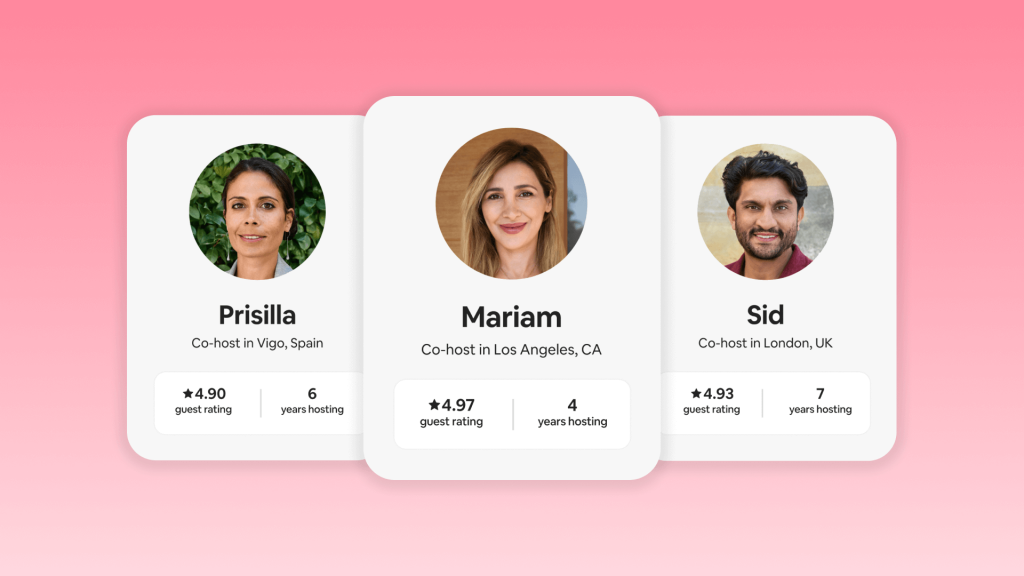
あなたが 新しいホスト 複数の物件の規模を拡大する場合、適切な共同ホストを選ぶことが大きな違いを生む可能性があります。優れたAirbnbの共同ホストは、効率性を高め、毎週数時間を節約してくれます。しかし、悪い共同ホストはレビューに悪影響を及ぼし、金銭的な損失につながる可能性があります。.
このガイドでは、共同ホストの役割、料金、探し方、そして物件を任せる前に確認すべき重要な契約条件について解説します。.
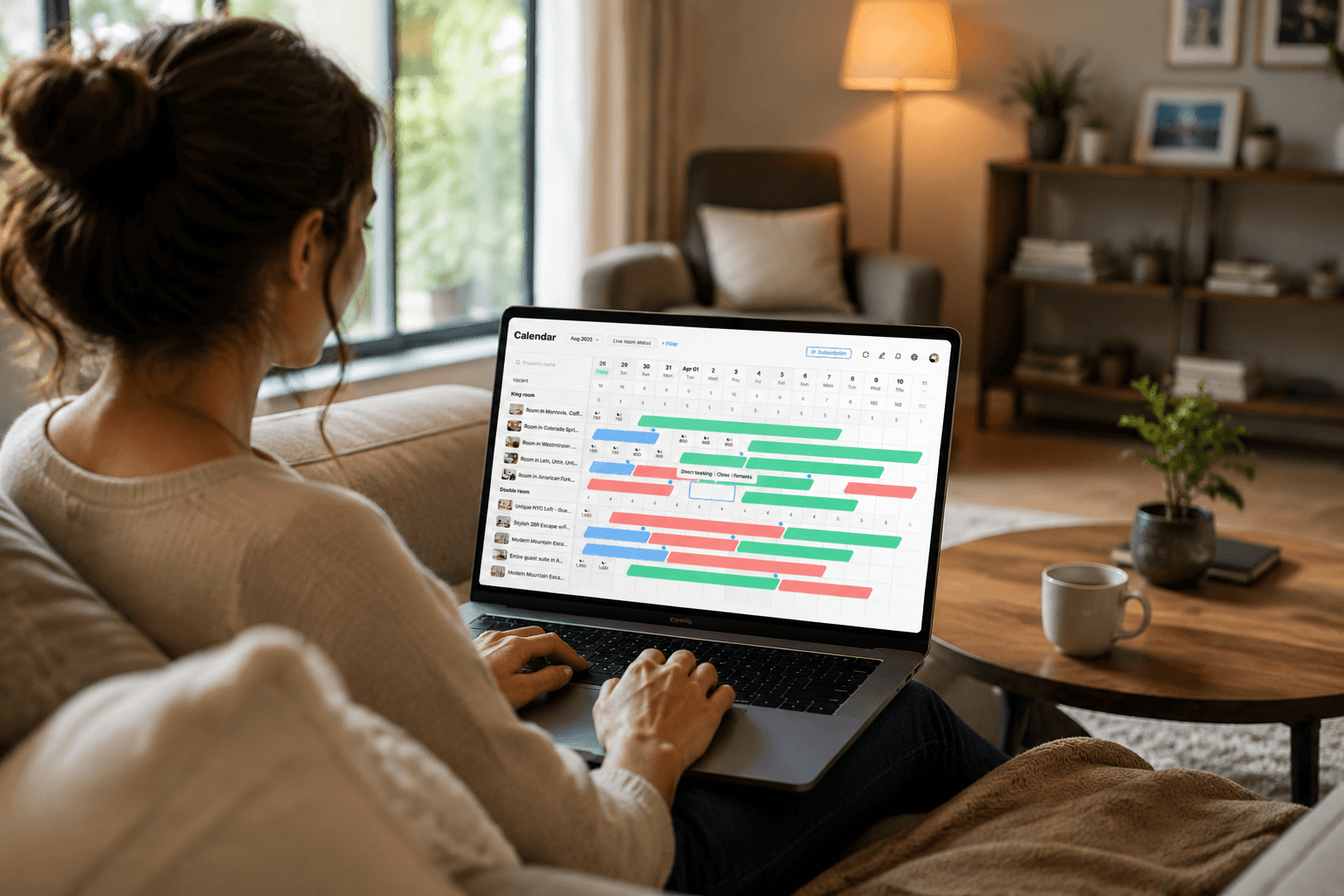
適切なツールを使えば、共同ホストとの関係管理は格段に楽になります。Hostexを利用すれば、すべての予約チャネルにわたるゲストとのメッセージやり取り、カレンダーの同期、タスク管理を一元化でき(月額$4.90)、あなたと共同ホストが日々の運営状況を共有できます。.

Airbnbの共同ホストは何をするのですか?
共同ホストとは、あなたに代わってバケーションレンタルを管理する人のことです。その業務範囲は、基本的なゲストとのコミュニケーションから、フルサービスの物件管理まで多岐にわたります。共同ホストが通常担当する業務は以下の通りです:
コミュニケーション(最も一般的):
- 1時間以内にゲストからの問い合わせに対応する
- チェックインのご案内とハウスルールをお送りします
- 予約リクエストとキャンセルの管理
- 滞在中のゲストのトラブル対応
業務内容:
- 清掃と引き継ぎの調整
- 鍵の受け渡しとスマートロックの暗証番号の管理
- 備品の補充(アメニティ、コーヒー、リネン)
- 保守・修理のスケジュール管理
レベニューマネジメント
- 需要に応じて宿泊料金を調整する
- 最低宿泊日数の管理
- プロモーションや割引の作成と管理
- 競合他社の価格のモニタリング
ゲストエクスペリエンス
- 対面でのゲストのお出迎え(プレミアム共同ホスト)
- 地元のおすすめ情報を提供する
- レビューとゲストフィードバックの管理
- 損害賠償請求と紛争の処理
すべての共同ホストがこれらすべてを行うわけではありません。重要なのは、仕事の範囲を自分のニーズと予算に合わせることです。.
Airbnbの共同ホストの費用はいくらかかりますか?
共同ホストの料金は、業務範囲、場所、経験によって異なります。一般的な料金体系は以下の通りです:
| 料金体系 | 典型的な範囲 | 最適な用途 |
|---|---|---|
| 収益に対する割合 | 10-25% | フルサービス管理 |
| 予約ごとの定額 | $30-$75 | 通信のみのサポート |
| 月額定額 | $200-$500 | 一貫性があり予測可能なコスト |
| ハイブリッド | 10-15% +予約手数料 | 混成スコープ契約 |
フルサービスの共同ホスティングの場合、手数料は通常、総予約収益の15~20%程度となります。.
比較として、専門の不動産管理会社は収益の25~35%を手数料として請求します。共同管理者は通常、自己管理とフルサービスの不動産管理の中間に位置し、契約内容に応じて運営面での一部または全面的なサポートを提供します。.
Airbnbの共同ホストを見つける方法
1. Airbnb Co-Host Search
Airbnbには、共同ホストを検索する機能が組み込まれています。ホストダッシュボードに移動し、「リスティング」を開いて、「共同ホストを追加」をクリックします。場所で検索して、直接招待することができます。.
これは最もシンプルな選択肢ですが、市場によって空き状況や品質に大きなばらつきがあります。経験豊富な共同ホストの層が限られている地域もあります。.
2. 地元ホストコミュニティ
民泊ホスト向けのFacebookグループ お住まいの地域は、共同ホストを見つけるのに最適な場所の1つであることがよくあります。「[お住まいの都市] Airbnb ホスト」または「[お住まいの都市] 短期賃貸ホスト」で検索してください。“
すでに自分のリスティングを管理している経験豊富なホストの多くは、2〜3件の共同ホストのクライアントを引き受けています。彼らは、実際の運営上の課題を理解しており、直接的な市場経験を持っているため、多くの場合、有力な候補者となります。.
3. プロパティマネジメント会社
いくつかの小さな 不動産管理会社 フルサービスの管理パッケージよりも低い手数料で共同ホスティングサービスも提供しています。.
このオプションは、保険サポート、法的テンプレート、バックアップスタッフなどのプロフェッショナルなシステムを、フルマネジメント料金を支払うことなく利用したい場合に便利です。ただし、個人の共同ホストと比較して、そのプロセスはより標準化されており、柔軟性に欠ける場合があります。.
4. 他のホストからの紹介
他のホストからの紹介は、多くの場合最も信頼できる情報源です。信頼できる人々、特に似たような物件を管理しているホストや同じ市場で営業しているホストに、誰と仕事をしているのか尋ねてみましょう。.
強力な紹介は通常、オンラインの求人情報やプロフィールよりも多くの現実的な洞察を提供します。.
5. 特化型プラットフォーム
UpworkやFiverrのようなプラットフォームを利用すると、フリーランスの共同ホストやAirbnbの運営専門家を見つけることができます。.
これらのプラットフォームは、豊富な人材プールへのアクセスと組み込みの支払い保護を提供します。しかし、品質はさまざまであり、経験豊富な共同ホストは、地域や紹介ベースの選択肢に比べて高い料金を請求する場合があります。.
共同ホストに求めるべきポイント
マストハブ
- 迅速な応答時間. 平均返信時間について尋ねてください。1時間未満は一般的に優れたベンチマークです。15〜30分未満はプレミアムサービスとして優秀です。コンスタントに2時間を超えるような場合は、ゲストの体験に悪影響を及ぼす可能性があり、潜在的な赤信号(注意すべき兆候)となります。.
- お客様の宿泊施設タイプに関する経験. 都市型アパートを専門とする共同ホストは、人里離れたキャビンや別荘には対応しきれない場合があります。常に相手の経験を、あなたの物件タイプや運営の複雑さに合わせて選定してください。.
- 確実な現地プレゼンス、または信頼できるオンサイトサポート。. 理想的には、共同ホストまたはそのチームが、妥当な時間内に現地での問題に対応できるべきです。実際には、場所や体制にもよりますが、これは多くの場合30〜60分以内です。リモートの共同ホストでもコミュニケーションの対応は可能ですが、運営においては依然として現地でのカバーが重要です。.
- 参考文献. 現在または過去のクライアントから少なくとも2件の推薦人(リファレンス)を求めてください。可能であれば、実際に連絡を取り、信頼性、対応スピード、問題解決能力について尋ねてください。.
あると嬉しい機能
- ホテル、レストラン、イベント運営などの専門的なホスピタリティの経歴
- Airbnb、Vrbo、Booking.comなどの主要な予約プラットフォームでの経験
- ダイナミックプライシングツールおよびレベニューマネジメントシステムに関する知識
- 基本的な写真撮影、出品の最適化、またはステージングのスキル
赤信号
- 書面による契約への署名の拒否. これは、後々の潜在的なトラブルを示す最も明白な警告サインの一つである。.
- 検証可能な言及やレビューはありません。. 特に経験豊富な共同ホストの場合、何らかの実績が必要です。.
- 着手前に多額の前払い金を要求すること。. 妥当な手付金の仕組みであれば普通かもしれませんが、作業範囲が明確になっていない状態での全額前払いはリスクがあります。.
- 異常に多数の物件を管理すること。. 共同ホストが15〜20件以上の物件を1人で管理している場合、組織化されたチームがない限り、注意力が散漫になり、サービスの質が低下する可能性があります。.
- 審査プロセスにおける不十分なコミュニケーション。. オンボーディング中の応答時間が遅かったり不安定だったりする場合、それは多くの場合、将来のゲスト対応のパフォーマンスを反映しています。.
共同ホストの効果的な管理方法
共同ホストの採用は「一度設定したら放置してよい」というプロセスではありません。強力な協力関係を築くには、明確な仕組みと継続的なコミュニケーションが必要です。.
1. 月次チェックインを行う
占有率の傾向、収益、ゲストからのフィードバック、運営上の課題などの主要な業績領域を確認するため、毎月30分の通話をスケジュールしてください。定期的なチェックインにより、小さな問題がエスカレートする前に特定することができます。.
2. 定期的に監査する
ゲストの視点からリスティングを見直しましょう。返信の質を確認し、自動メッセージを見直し、写真やリスティングの情報が最新の状態になっていることを確認してください。これにより、一貫性が保たれ、共同ホストとの期待値のすり合わせが維持されます。.
3. 期日通りに支払う
期日どおりの支払いは、良好な協力関係を維持するために不可欠です。支払いの遅延は、共同ホストとのパートナーシップが決裂する最も一般的な原因の一つです。自動支払いや固定の支払いスケジュールを設定することで、不必要な摩擦を避けることができます。.
4. 通信プロトコルの設定
テキスト、メール、共有プラットフォームなど、最初からどのように連絡を取り合うかについて合意してください。また、誤解を避けるために、双方の想定される返信時間も明確に定めてください。.
Hostexのようなプロパティマネジメントシステム(PMS)を利用することで、このプロセスを効率化することができます。次のような機能を活用して、 チームアカウントとロールベースのアクセス制御, アカウント全体のアクセス権を共有することなく、ゲストへのメッセージ送信、カレンダー管理、清掃の調整など、特定のタスクに対する制限付きのアクセス権を共同ホストに付与できます。.
同時に、一元化されたメッセージングと統合された予約データにより、あなたも共同ホストも、すべてのチャネルで常に同じリアルタイムの情報を共有して作業できるようになります。.
契約書:必ず盛り込むべき7つの条項
書面による合意なしに物件へのアクセス権を譲渡してはなりません。明確な契約は、あなたと共同ホストの双方を保護します。含めるべき主要な条項は以下の通りです。.
1. 作業範囲
共同ホストが担当するすべての責任を明確にリストアップしてください。具体的かつ曖昧な表現は避けてください。例えば、「ゲスト対応を行う」だけでは不十分です。より良い定義の例:現地の午前8時から午後10時までの合意された営業時間内、60分以内にゲストのメッセージに返信する。.
2. 報酬
手数料体系、支払いスケジュール、および収益の計算方法を定義してください。手数料が総収益または純収益のどちらに基づいているか、また清掃料金や税金が含まれているか除外されているかを明確にしてください。.
3. アクセスとセキュリティ
共同ホストが鍵、スマートロックの暗証番号、警報システム、収納スペースを含め、どのようなアクセス権を持つかを具体的に指定してください。また、サードパーティ(第三者)のアクセスが許可されるかどうか、およびその条件についても明確に記載する必要があります。.
4. 決定権
共同ホストが独自に決定できることと、あなたの承認が必要な事項を定義してください。例えば、共同ホストが少額の返金や軽微な問題を承認できる一方で、より大きな割引や高額な修理にはオーナーの承認が必要になる場合があります。.
5. 契約解除条項
合理的で通常30日程度の猶予期間を設けた、明確な契約解除プロセスを盛り込んでください。また、契約解除後の現在進行中の予約、保留中の支払いや報酬、および現在滞在中のゲストの取り扱いについても定義してください。.
6. 保険と賠償責任
地域の規制とリスクレベルに応じた適切な保険加入を義務付けてください。共同ホストまたはそのチームによって引き起こされた損害、事故、または問題に対する責任を明確に定義してください。.
7. 性能要件
明確かつ現実的なパフォーマンスの基準を設定してください。これには、応答時間の目標、ゲストの評価、運用の安定性が含まれる場合があります。ただし、市場や季節によってパフォーマンスが変動する可能性があるため、過度に厳格な閾値は避けてください。月次または四半期ごとの定期的な見直しが推奨されます。
よくある質問
共同ホストは必要ですか?
共同ホストが常に必要とは限りません。それは宿泊施設のタイプ、立地、そして日常業務にどれだけ関与したいかによって異なります。.
次のような場合、共同ホストは必要ないかもしれません:
- お客様の物件は1泊あたりの収益が$100未満であり、手数料が利益に大きな影響を与える可能性があります
- 近くに住んでおり、自ら管理することを好む
- ゲスト対応や運営をご自身で問題なくこなしていただけます
- あなたは部分的なサポートよりもフルサービスのプロパティマネジメントを好む
規制の厳しい市場によっては、現地の法律に応じて、共同ホストの代わりにライセンスを持つプロパティマネージャーが義務付けられる場合があります。.
co-host と property manager の違いは何ですか?
共同ホストは通常、ゲストとの連絡、スケジュールの管理、基本的な調整などの日常的な業務をサポートします。.
プロパティマネージャーは通常、価格戦略、マーケティング、メンテナンスの調整、法規制の遵守など、包括的な管理業務を提供します。.
共同ホストは通常、収益の10~25%程度を手数料として請求しますが、不動産管理会社は多くの場合、25~35%を請求します。.
Airbnbでは複数の共同ホストを設定できますか?
はい。Airbnbでは、1つのリスティングにつき最大3人までの共同ホストを設定できます。.
この設定は、例えば1人がゲストとのやり取りを担当し、もう1人が清掃や現地での運営を担当するなど、役割が分かれている場合に便利です。.
Airbnbのリスティングから共同ホストを削除するにはどうすればよいですか?
Airbnbのダッシュボードのリスティング設定から、共同ホストを削除することができます。.
契約書に記載されている、通知期間や有効な予約・今後の予約の取り扱いに関する条件に従うことも重要です。.
共同ホストはゲストが引き起こした損害について責任を負いますか?
ほとんどの場合、ゲストによる器物破損や安全性に関する問題については、物件のオーナーが責任を負い続けます。.
しかしながら、責任の有無は契約条件および現地の法令によって異なります。事前に責任範囲を明確に定め、該当する場合は双方にとって適切な保険がかけられているようにすることが一般的です。.
共同ホストのパフォーマンスが思わしくない場合、どうすればよいですか?
まずは具体的な課題を特定し、応答時間、ゲストからの苦情、対応漏れのタスクなどの測定可能なデータを共有することから始めます。.
妥当な調整期間(通常は約30日間)を経てもパフォーマンスが改善しない場合は、契約書の解除条項を発動し、共同ホストの交代を検討することができます。.

 Japanese
  English
  Spanish
  Arabic
  French
  Russian
  German
  Portuguese
  Korean
  Italian
  Thai
Thai