
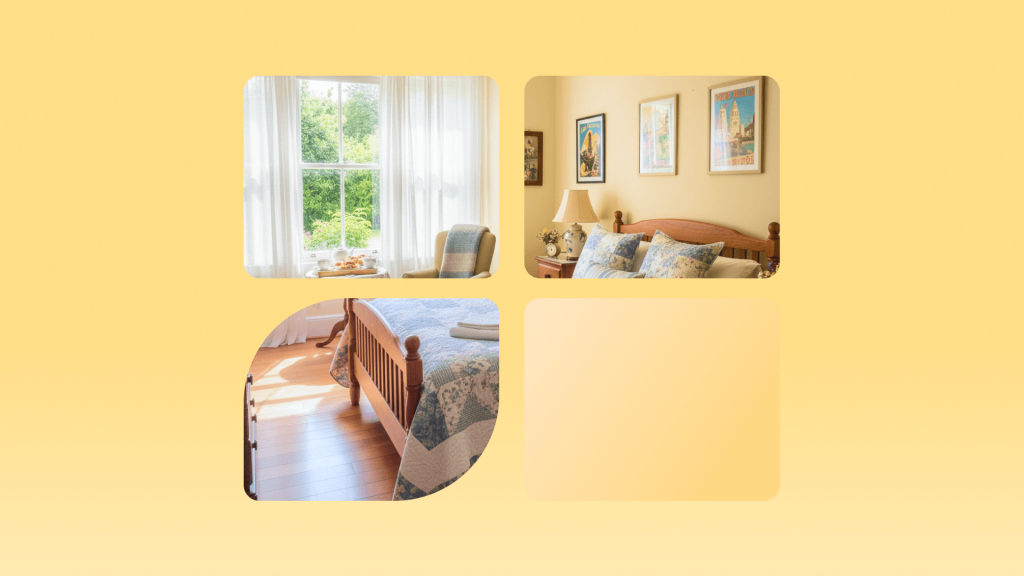
Traveler preferences are shifting as more people choose the warmth of a local home over traditional hotels. This change has turned short-term rentals into a highly profitable business for many property owners. However, long-term success requires much more than just having an extra room. To build a truly profitable brand, you must deeply understand how to start a bed and breakfast by making the right preparations during the startup phase.
This guide provides everything you need to know about launching a successful B&B. We will help you evaluate if this business fits your goals and show you the essential steps for the best results. Whether you are curious about the lifestyle or ready to invest, starting with a professional mindset is the key to winning.
When you are ready to list on platforms like Airbnb, Booking, or Vrbo, managing the daily workload can be overwhelming. Using a professional tool like Hostex is the smartest way to stay organized. For only $4.9 per month, you can automate 70% of your manual tasks. This gives you more time to focus on your guests while Hostex handles the heavy lifting for your new business.
What Is a Bed and Breakfast (B&B)?
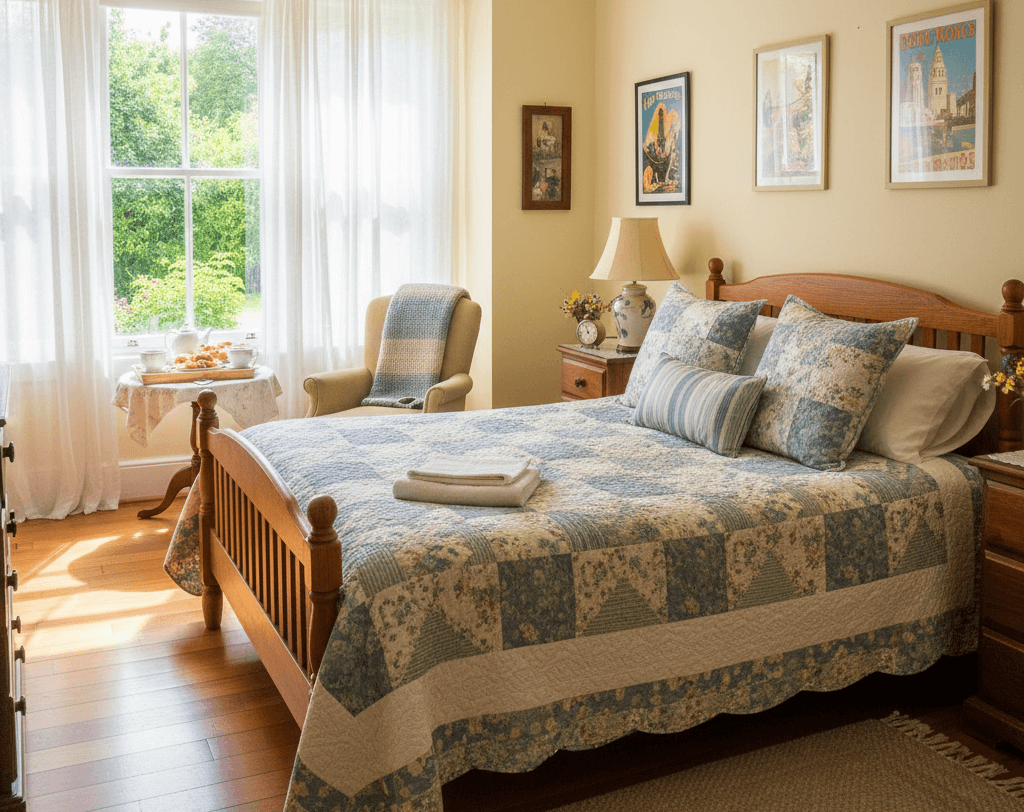
A traditional bed and breakfast is a small lodging establishment that offers overnight stays and a morning meal. These businesses are usually owner-occupied private homes with 3 or more guest rooms. The owner, often called the innkeeper, lives on the property and provides a high level of personal service.
In 2026, the definition of a B&B has evolved beyond just a room and a plate of eggs. Modern travelers see a B&B as a “lifestyle experience.” They expect the professional standards of a hotel combined with the authentic soul of a home. Today, a successful B&B focuses on unique local storytelling and high-quality amenities. It is no longer just about a bed; it is about providing a memorable, curated stay.
Is the B&B Business Right for You (and Your Home)?
Before you buy new linens, you must decide if this business fits your life. Not every house makes a good B&B, and not every homeowner is a born innkeeper. Use these three basic standards to evaluate your situation.
1. Mental Readiness: The Innkeeper Lifestyle
Operating a B&B is a 24/7 commitment. You are welcoming strangers into your private sanctuary. You must be comfortable with constant social interaction and managing guest complaints with a smile. If you value total privacy and quiet evenings, this business might feel like a burden rather than a joy.
2. Physical Readiness: Space and Flow
Your property needs more than just an empty bedroom. For a professional experience, consider the “flow” of your home. Can guests access their rooms without walking through your private kitchen? Does each guest room have a private bathroom? Privacy is the top requirement for modern guests. If your home forces guests to share a hallway bath with your family, it will be hard to charge premium rates.
3. Financial Reality: Investment vs. Return
You should look at the numbers before committing. On average, starting a B&B can cost between $20,000 and $50,000 for basic renovations and licensing. While industry data shows well-managed B&Bs can reach profit margins of up to 30%, it usually takes 2 to 3 years to break even.
| Metric | Industry Average (approx.) |
| Startup Cost | $20,000 – $100,000+ |
| Occupancy Rate | 45% – 55% |
| Average Daily Rate | $150 – $250 |
If you are comfortable with these startup costs and the daily demands of hosting, you are ready to move to the next step.
How to Start a Bed and Breakfast
If you have decided that the B&B lifestyle fits your goals, it is time to take action. Moving from a vision to a working business requires a step-by-step approach. The following sections will guide you through the essential preparations for a successful launch.
1. Budgeting and Financial Planning
Starting a B&B requires more than just buying extra pillows. You must prepare a professional budget to avoid running out of cash early. Most owners underestimate the costs of turning a private home into a public lodging business. For a detailed breakdown of potential expenses, you can check our guide on Airbnb startup costs.
Your startup capital should cover these four main categories:
- Renovation Costs: This is usually your biggest expense. You may need to upgrade plumbing, improve soundproofing, or add private bathrooms to every guest room.
- Licensing and Compliance: You must pay for business registration and fire safety upgrades. These costs vary depending on your local government rules.
- Initial Furnishings: Professional hosting requires high-quality linens, towels, and kitchen equipment. You want items that are durable and easy to wash.
- Operating Reserves: Most B&Bs take time to find their rhythm. Keep at least 3 to 6 months of cash to cover utilities and insurance during slow periods.
And, a good business plan helps you make smart decisions. The most important step is identifying your target audience. You cannot be everything to everyone. Therefore, you must choose a niche.
- Business Travelers: They need high-speed Wi-Fi, desk space, and flexible check-in times.
- Family Groups: These guests look for full kitchens, laundry machines, and child-friendly amenities.
- Romantic Couples: They value privacy, unique decor, and gourmet breakfast options.
Once you know your audience, you can set a winning pricing strategy. For example, business guests might book during the week. In contrast, couples usually stay on weekends. Understanding this logic allows you to maximize your revenue from day one.
If you need help structuring your strategy, read our article on how to write an Airbnb business plan.
2. Legal Compliance
Turning your private residence into a public lodging business involves several legal hurdles. You must follow local rules to avoid heavy fines or a permanent shutdown. Proper compliance is the foundation of a sustainable business.
1. Administrative Permits and Licenses
Zoning laws are your first priority. You must verify if your neighborhood allows commercial lodging. Some residential areas have strict bans on bed and breakfasts. Once you clear zoning, you need to pass a professional fire inspection. This usually involves installing commercial-grade smoke detectors and clear exit signs.
Furthermore, serving breakfast requires a health permit. Local authorities will inspect your kitchen to ensure food safety standards are met. This process can be strict, so check your local health department requirements early.
2. Building a Legal Firewall
Many new hosts make the mistake of relying on standard homeowner’s insurance. However, these policies typically do not cover commercial activities. If a guest gets injured on your property, a standard policy will likely deny your claim.
You must invest in specialized short-term rental insurance. This professional coverage includes public liability and protection for your building and contents. It acts as a legal firewall for your personal assets.
3. Understanding Occupancy Taxes
As a business owner, you are responsible for local taxes. Most cities charge an “Occupancy Tax” or “Tourist Tax” on every booking. In some regions, platforms like Airbnb collect this for you.
However, you must still track these payments for your records. If you accept direct bookings, you are responsible for collecting and paying these taxes to the government yourself. Staying compliant with tax laws keeps your business running smoothly without legal surprises.
3. Adapting Your Home for Guests
Physical changes to your property turn a private house into a professional B&B. You must balance the comfort of a home with the standards of a hotel. Successful owners focus on both small details and high-tech upgrades to create a seamless stay.
1. Adaptive Decor and Quality Essentials
Your guests expect a better sleep experience than they have at home. Therefore, you should invest in high-thread-count linens and professional-grade mattresses. While hotel-style white sheets suggest cleanliness, you can add local character through art and decor.
For a complete checklist of items, see our guide on essential Airbnb supplies. Adding a few luxury touches can significantly increase your daily rates. For more ideas on what to include, explore our list of vacation rental amenities.
2. Hard Upgrades for Modern Efficiency
Modern travelers value convenience and privacy above all else. Consequently, you should replace traditional keys with smart locks to allow 24/7 check-ins. This upgrade removes the stress of meeting guests late at night.
High-speed Wi-Fi is no longer optional; it is a critical requirement for every guest today. You might also consider soundproofing shared walls to maintain a quiet atmosphere for everyone. You can find more inspiration for your tech setup in our article about the best gadgets for hosts.
3. Creating “Wow” Moments in Common Areas
The “breakfast” part of your B&B is a huge opportunity to impress guests. Design a dedicated dining area that feels inviting and communal. If space allows, create a cozy lounge or a garden nook for social interaction.
These personalized zones often become the highlight of a guest’s review. A well-designed common area transforms a simple stay into a memorable experience. It encourages guests to connect with you and other travelers, which is the heart of the B&B spirit.
4. Management Preparation
Once your doors open, daily management will become your most time-consuming task. Running a B&B involves much more than just cooking breakfast. You must handle calendar syncing, guest messaging, booking requests, review management, and cleaning schedules. Without a plan, these administrative chores can quickly overwhelm your personal life.
Choosing the right management model is essential for your long-term success. You need a method that balances your time, costs, and service quality. Generally, there are four ways to handle your daily operations:
- Self-Management: You handle every detail yourself manually.
- Property Manager: You hire a professional firm to run the business for you.
- Co-host: You partner with an experienced individual to share the workload.
- Property Management System (PMS): You use software to automate and centralize your tasks.
To help you decide, here is a breakdown of how these models compare in terms of cost and efficiency:
| Management Model | Cost Level | Time Commitment | Control Level |
| Self-Managed | Low (Free) | Extremely High | Total Control |
| Property Manager | High (15-30% fee) | Very Low | Low Control |
| Co-host | Medium (10-20% fee) | Medium | Shared Control |
| PMS (Software) | Very Low ($) | Low (Automated) | Total Control |
As you can see, a PMS offers the best return on investment. It provides the automation of a professional manager at a fraction of the cost. This is the smartest choice for owners who want to stay professional without losing their profit margins to high commission fees.
For modern B&B owners, we highly recommend Hostex. It is designed to act as your “digital co-host.” Instead of logging into five different apps, you can manage everything from one dashboard.
With Hostex, you can respond to guest inquiries instantly with AI 24/7. You can also automate your cleaning schedules and sync your calendars in real-time.
For only $4.9 per month, Hostex eliminates 70% of your manual work, allowing you to focus on providing the best experience for your guests.
5. Marketing and Distribution Strategy
To make your business profitable, your rooms must be visible to potential guests. Most modern travelers find accommodations through online channels. Therefore, you need a strong distribution strategy to capture bookings from different types of travelers.
1. Leveraging Mainstream OTAs
The most effective way to start is by listing on major Online Travel Agencies (OTAs). Each platform attracts a different audience. For example, Airbnb is great for unique stays, while Booking.com attracts more international and traditional travelers. Vrbo is often the go-to choice for larger families.
To maximize your occupancy, you should be present on all of them. However, each site requires a slightly different approach to photos and descriptions. For a deeper look at how to handle this, read our guide on listing vacation rentals on multiple channels.
2. The Power of Direct Bookings
While OTAs provide great exposure, they also charge high commission fees. Building your own Direct Booking Site is the best way to keep more of your revenue. A personal website allows you to build a brand and communicate directly with your guests.
Fortunately, you do not need to be a tech expert to do this. Hostex allows you to create a professional direct booking website with zero coding and zero extra cost. This gives you a professional home for your business where you can accept reservations commission-free.
3. Capturing Free Traffic via Google
Beyond the major booking sites, you can tap into the power of search engines. Google Vacation Rentals is a fantastic tool that helps guests find your property directly through Google Maps and Search. This provides a steady stream of free organic traffic to your business.
The best part is that Hostex integrates directly with this service. You can publish your direct booking site listings to Google with just one click. This level of visibility ensures you are not just waiting for guests; you are actively finding them where they search most.
If you are looking for even more ways to grow your brand, check out our professional short-term rental marketing tips.

Frequently Asked Questions (FAQ)
1. How should I set my nightly rates?
Pricing is a balancing act. You need to be competitive but also profitable. Many successful hosts use dynamic pricing to adjust for local events and seasons. For a deep dive into maximizing your revenue, check out our vacation rental pricing strategy guide.
2. Do I need to provide a cooked breakfast every single day?
Not necessarily. While “breakfast” is in the name, many modern B&Bs offer “continental” styles with local pastries, fruits, and yogurt. The key is to be clear in your listing description so guest expectations are managed before they arrive.
3. How should I respond to a bad review?
Don’t take it personally. Respond professionally and address the specific issue mentioned. Future guests often look at how you handle criticism more than the complaint itself. Learn the best way to flip the script in our article on handling bad Airbnb reviews.
4. How do I handle guest check-ins if I am not at home?
You should invest in a smart lock system. This allows you to send unique codes to guests, making the process seamless and secure. Most professional hosts use tools like Hostex to automate the delivery of these codes. You can use the Hostex Check-in Guide feature to automatically collect guest information and send entry instructions without lifting a finger.
5. What is the best way to handle cleaning?
Consistency is key. Whether you do it yourself or hire help, you must use a professional checklist to ensure hotel-grade hygiene. For a step-by-step process, read our guide on mastering Airbnb cleaning.
6. How can I get more bookings during the slow season?
Visibility is everything. Optimizing your photos, updating your calendar daily, and offering stay-length discounts can help. Check out our expert tips on how to get more Airbnb bookings year-round.
7. Should I list my property on multiple channels?
Absolutely. Relying on just one platform is risky. Listing on Airbnb, Booking.com, and Vrbo at the same time increases your reach significantly. You can learn more about multi-channel distribution here.
8. How do I get my B&B to show up on Google?
Google is a massive source of free traffic. By using a direct booking site that integrates with Google Vacation Rentals, you can bypass OTA commissions and find guests directly through search and maps.
9. How do I prevent my neighbors from complaining?
Open communication is vital. Inform your neighbors about your business plans and provide them with your direct phone number. Establishing “quiet hours” (usually starting at 10 PM) in your house rules will also help maintain peace.
10. Is it better to allow pets or keep a pet-free home?
Allowing pets can increase your booking rate by 30%. However, it also increases cleaning costs and wear on furniture. Many hosts charge a specific “pet fee” to cover these extra risks.
11. What should I do if a guest refuses to leave?
While rare, “squatters” are a major concern for new hosts. It is vital to know your local tenant laws and have a signed rental agreement. Learn how to prevent and handle these situations in our guide on dealing with Airbnb squatters.
12. How often should I change my nightly prices?
Ideally, every day. Prices should fluctuate based on local events, holidays, and even the weather. Using dynamic pricing tools ensures you don’t leave money on the table during busy weekends.
13. If I live with guests, how do I ensure my safety and privacy?
Set clear boundaries from the start. Use “Host Only” signs on private doors and install smart locks on guest rooms. Always screen guests by checking their previous reviews. Establishing firm house rules in your Airbnb rental agreement helps maintain a respectful environment.
14. How can AI help me manage my B&B?
AI is a game-changer for modern innkeepers. It can handle instant guest communication, write listing descriptions, and even predict busy seasons. To see which technologies can save you the most time, explore these AI tools for vacation rental hosts.
15. What if a guest damages my property?
Accidents happen, but you must be protected. Take “before and after” photos of every stay. Understanding the Airbnb damage policy is essential for successful claims. For tips on avoiding these Airbnb nightmares, preparation is your best defense.
16. How do I choose the best PMS for my business?
The right software should be affordable, easy to use, and feature-rich. It should offer channel management, automated messaging, and a direct booking engine. Compare the top options in our review of the best short-term rental management software.

Conclusion
Starting a bed and breakfast is a rewarding path to financial and personal freedom. It allows you to share your home’s charm while building a professional brand. However, the secret to long-term success is staying organized from the very beginning.
Don’t let the daily chores of messaging and calendar syncing take away the joy of hosting. Let technology do the heavy lifting for you. Start your 15-day free trial with Hostex today and see how easy it is to manage your new business for just $4.9 per month.

 English
  Japanese
  Spanish
  Arabic
  French
  Russian
  German
  Portuguese
  Korean
  Italian
  Thai
Thai