
Being a short-term rental host comes with its own unique set of challenges. Repeated tasks can easily eat into your personal time and create stress. That’s where an Airbnb property manager comes in. Hiring a professional one can significantly reduce the pressure on you and streamline your operations.
In this article, we’ll provide an in-depth guide on how to choose the best property manager for your needs. Additionally, we’ll help you avoid common mistakes that many landlords make during the hiring process.
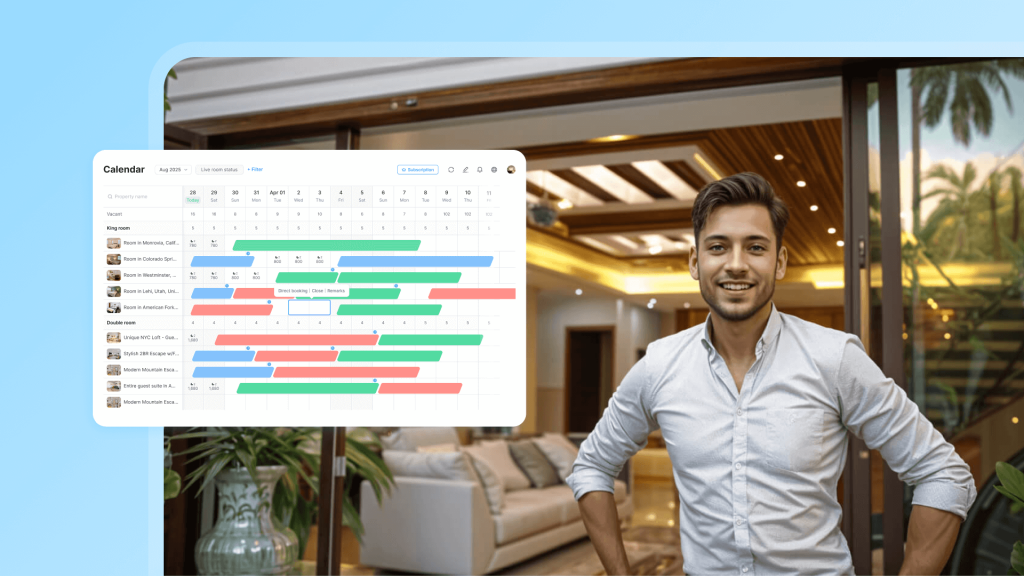
Whether you’re a property owner or an Airbnb property manager, Hostex can automate up to 70% of your repetitive daily tasks. This gives you more time to focus on what matters most. Starting at just $4.9 per month, it provides a cost-effective way to boost efficiency and streamline your operations.

What is an Airbnb Property Manager?
An Airbnb property manager is a professional or company that handles the daily operations of short-term rental properties. Their goal is to ensure the property stays well-maintained, guests have a positive experience, and the owner maximizes their return on investment.
While their specific responsibilities may vary based on the property owner’s needs, there are several core duties.
1. Listing Management:
An experienced property manager will create and optimize your property listing on platforms to ensure it stands out. They’ll highlight the best features of your property, use high-quality photos, and write compelling descriptions. They also ensure that the listing is regularly updated with accurate availability, pricing, and any necessary property changes.
2. Pricing Management:
One of the most important tasks of a property manager is setting a flexible pricing strategy. Airbnb property managers utilize dynamic pricing tools to adjust rates in response to demand, competition, and market conditions. This helps maximize your rental income and occupancy rates, especially during peak seasons.
3. Guest Communication and Service:
Effective communication with guests is key to maintaining a positive experience. An Airbnb manager will handle inquiries, respond to messages promptly, and provide clear instructions for check-in and check-out. They ensure that guests’ concerns or issues are addressed quickly, ensuring that no small problem turns into a bigger one.
4. Cleaning and Maintenance Coordination:
A professional property manager will schedule regular cleaning and ensure the property is well-maintained between guest stays. They arrange for any necessary repairs or upkeep, making sure your property is always in excellent condition. They often have relationships with reliable cleaning teams, which ensures that tasks are done efficiently and high standard.
5. Review Management and Feedback Collection:
Property managers play a key role in managing guest reviews and feedback. They ensure that positive reviews are encouraged, and any negative feedback is addressed constructively. Collecting feedback helps improve future guest experiences and increases the property’s reputation.
6. Marketing and Advertising:
A skilled property manager will also take care of marketing your property to a wider audience. They’ll list your property on platforms, promote it on social media, and use paid ads to increase visibility. This ensures your property is constantly in front of potential guests, increasing the chances of booking.
The Core Value of a Professional Airbnb Property Manager
Whether you manage one property or several, hiring an experienced Airbnb property manager helps ensure that every part of your business runs smoothly and efficiently. It allows you to focus on scaling your operations or enjoying life outside of your rental.
- Streamline your operations, reduce stress, and save you hours of work every week.
- Keep your listing optimized to improve occupancy rates and maximize rental revenue.
- Create great guest experiences that lead to positive reviews and repeat bookings.

How to Choose the Right Airbnb Property Manager
Selecting the right Airbnb property manager is one of the most important decisions you’ll make as a short-term rental host. To ensure you choose the best manager for your needs, you should:
1. Clarify Your Needs
Before you begin searching for an Airbnb property manager, identify which services matter most to you. Then take time to understand your specific needs.
- Pricing Optimization: Do you need a manager who specializes in adjusting pricing based on market demand and competition?
- 24/7 Guest Support: If you live in a different time zone or are busy with other commitments, do you require round-the-clock communication with guests to ensure a smooth experience?
- Cleaning and Maintenance Scheduling: Will the manager be responsible for scheduling cleaning and arranging maintenance? This is especially important if you have multiple properties.
- Marketing and Advertising: Is growing your property’s visibility a priority? A good manager should help your property stand out on multiple platforms, not just Airbnb.
- Review Management: Are you looking for a manager who actively manages guest reviews and handles negative feedback professionally?
By clearly defining your needs, you can better match those to the services offered by different property managers. This will also allow you to understand what level of service you are paying for.
2. Market Research and Finding Candidates
To start your search for a reliable Airbnb property manager, use multiple channels to gather options.
- Social Media Groups & Communities: Platforms like Facebook groups, LinkedIn, and specialized forums for Airbnb hosts often feature discussions on property management. These can be a great source of firsthand recommendations from other hosts.
- Yelp and Google Reviews: Search for local property managers or management companies on platforms like Yelp and Google to see their customer ratings and feedback.
- Airbnb Host Meetups: Many regions have local meetups for Airbnb hosts, and these gatherings can provide opportunities to learn from others and ask for property manager recommendations.
When looking for candidates, you can either choose property management companies or individual managers. Each has its pros and cons.
- Property Management Companies: These tend to have more resources and staff. They may offer a broader range of services, but you might find them less personal in their approach.
- Individual Property Managers: Independent managers can be more hands-on and offer personalized service. However, their capacity is often limited. They could be the right choice if you prefer a more intimate, tailored approach.
3. Interview Candidates
Once you’ve narrowed down your list of potential property managers, it’s time to meet with them.
Here are some important questions to ask during the interview:
- How do you handle negative reviews or guest complaints? This will give you insight into how they manage issues that can affect your property’s reputation.
- Can you share examples of how you’ve handled property emergencies or last-minute issues? A good manager should be capable of dealing with unexpected situations efficiently.
- What marketing strategies do you employ to ensure maximum visibility for a listing? Learn about their approach to promotion, including which platforms they use and how they handle pricing.
- How do you communicate with guests during their stay? This will help you understand their approach to customer service and their ability to respond to guest needs quickly.
- What tools do you use for pricing optimization? It’s important to know whether they use dynamic pricing tools to ensure your rates are competitive.
4. Check Qualifications and Experience
Next, you will want to ensure that the Airbnb property manager is legally qualified and has the necessary experience. It is crucial for your peace of mind and the success of your business.
- Licensing and Certification: Make sure the manager is licensed to operate in your area, especially if local regulations require a property manager to have certain certifications. This can prevent future legal issues and show that the manager is committed to professionalism.
- Track Record and Case Studies: Ask for case studies or examples of properties they have managed in the past. A successful property manager will have a proven track record of increasing occupancy rates, improving revenue, and maintaining positive guest reviews.
- Online Reputation: Research online reviews and ratings on platforms like Yelp, Google, and specialized Airbnb forums. Look for comments about their professionalism, responsiveness, and the quality of their service. A consistent positive reputation is a good indicator that the manager is trustworthy and skilled.
You can also check whether the property manager has experience managing properties similar to yours. For instance, if you’re managing a luxury apartment, find a manager with experience in handling high-end properties.

How Much Do Airbnb Property Managers Charge?
The cost of property management services can vary significantly depending on the level of service, the type of manager (individual vs. company), and the location of your property.
Here, we’ll break down the most common fee structures. This will help you assess if the costs match the services provided and offer good value for your investment.
1. Fixed Fees
Some Airbnb property managers charge a fixed monthly fee. This means you’ll pay the same amount every month, regardless of your property’s performance or the number of bookings. For landlords who prefer predictable, consistent costs, this can be an appealing option.
Advantages:
- Predictable costs make it easier to manage your budget.
- More cost-effective during peak seasons, as your expenses won’t rise with higher income.
Disadvantages:
- Fixed fees may not reflect your property’s performance. If your property experiences low occupancy during the off-season, you’ll still pay the same amount.
- Property managers have no financial incentive to drive bookings or increase revenue. Their pay stays the same, regardless of how your property performs.
2. Commission-Based Fees
Most Airbnb property managers charge a commission-based fee, which is typically a percentage of your rental income. This percentage can range from 10% to 30%, depending on the level of service they provide and the complexity of managing your property.
This structure works well for properties in high-demand areas, where you expect consistent bookings and revenue growth.
For instance, a property manager might take a 20% cut of the total revenue from each booking. So, if your monthly rental income is $5,000, the property manager would earn $1,000.
Advantages:
- The fee is tied directly to the performance of your property. When your property earns more, the manager earns more, which aligns their incentives with yours.
Disadvantages:
- The percentage-based approach may end up costing more than a fixed fee in peak seasons if your property performs well.
What Additional Service Fees Do Airbnb Property Managers Charge?
In addition to base fees, property managers often charge for additional services. These can be one-time or recurring charges and vary depending on the property and its needs. Below are some common examples:
- Cleaning Fees: Many property managers handle the scheduling and payment of cleaning services. Some may include the cleaning fee in their overall charges, while others may pass the cost on directly to you or the guests. This can vary depending on the frequency of cleanings and the size of the property.
- Maintenance Fees: Property managers often oversee property maintenance, such as repairs or regular inspections. Some may charge extra fees for coordinating maintenance work, including a small markup on services.
- Advertising and Marketing Fees: If you want additional visibility for your property, some managers offer paid marketing services or use premium listings on platforms like Airbnb.
- Check-in/Check-out Fees: Some property managers charge additional fees for each guest’s check-in and check-out services, especially if they provide concierge-style support during these times.
- Setup Fees: When hiring a new property manager, there might be an upfront fee for creating listings, taking professional photos, and inspecting the property. This is often charged once at the start of the contract.
How to Evaluate the Costs and Services?
When evaluating property management fees, the key question is whether the services provided justify the costs. Avoid making decisions based solely on price. Sometimes, opting for a lower fee might mean sacrificing quality, which can hurt your property’s performance in the long run.
Here are a few tips to help you assess whether the fees are worth it:
- Compare Services to the Fee: Make sure the manager’s services align with your expectations and that you’re not overpaying for unnecessary services. For instance, if your property is located in a competitive market, having a property manager who specializes in marketing might be worth the extra cost.
- Understand What’s Included: Confirm whether fees like cleaning, maintenance, or marketing are included in the management fee or if they’re separate. Get everything in writing and make sure you’re clear on what’s covered.
- Look for Flexibility: Choose a manager whose contract allows you to adjust services or change your approach without heavy penalties. This gives you the flexibility to scale up or down based on how your business evolves.
- Consider the Long-Term Value: Think beyond just the upfront costs and consider the overall impact on your property’s performance. A skilled manager who charges a higher percentage might deliver better results by increasing bookings, improving guest reviews, and driving up your property’s revenue.
- Don’t Be Afraid to Negotiate: If you feel like the fees are too high for the level of service offered, don’t hesitate to discuss this with potential managers. They may be willing to adjust their pricing or offer discounts depending on the scope of services.

Common Mistakes to Avoid When Hiring an Airbnb Property Manager
Choosing the right Airbnb property manager is a decision that can significantly impact the success of your short-term rental business. However, many property owners make avoidable mistakes when selecting a property manager, which can result in financial losses and a less-than-optimal guest experience.
Below, we’ll discuss some of the most common mistakes and provide advice on how to avoid them.
1. Price-Driven Selection
One of the most common mistakes property owners make is choosing a property manager based solely on price.
While it may be tempting to go for the manager with the lowest fees, this decision can backfire in the long run. Lower prices often indicate fewer resources and a lack of comprehensive services, which can lead to subpar management, missed opportunities, and ultimately, higher costs in the future.
For instance, a manager charging a low fee may not provide effective marketing or customer service, which could reduce your property’s occupancy rate. Similarly, their lack of attention to detail might result in maintenance issues that cost you more to fix later.
Tip to Avoid the Mistake:
- Make sure that the fee covers essential services like pricing optimization, guest communication, and property maintenance.
- Consider a manager who offers comprehensive services even if their fees are slightly higher, as they might ultimately increase your overall revenue.
2. Ignoring Experience
Choosing a property manager without considering their experience is another costly mistake.
Experienced Airbnb managers bring invaluable knowledge and expertise, which allows them to handle unforeseen issues, troubleshoot problems, and optimize your listing effectively. A manager with more experience is better equipped to deal with complex situations like handling guest complaints, managing legal compliance, or navigating seasonal changes in demand.
For instance, an experienced manager may have developed relationships with trusted local cleaners, maintenance personnel, and suppliers, ensuring that your property is always well-maintained and prepared for guests.
Tip to Avoid the Mistake: Always ask for details about the property manager’s experience. How long have they been in the business? How many properties do they manage? Have they worked with properties similar to yours in terms of size, location, and type? Also, ask for references or case studies of previous properties they’ve managed.
3. Unclear Fee Structure
One of the major red flags when choosing a property manager is a lack of transparency in their fee structure.
If a property manager cannot clearly explain how they charge for their services or if their fees are hidden, it can lead to unpleasant surprises down the line. Without a clear fee breakdown, you may end up paying for services you didn’t request or, worse, experience billing discrepancies that cause frustration and strain the business relationship.
Tip to Avoid the Mistake: Always request a detailed breakdown of all fees before signing a contract. Make sure the property manager provides a transparent and clear fee structure, outlining what’s included and what isn’t. Clarify any potential additional charges and ensure you understand what you’re paying for, and ensure there are no hidden costs that could affect your bottom line.
4. Neglecting Communication Systems
A manager who doesn’t communicate well can cause confusion, delay responses to guest issues, and create operational inefficiencies.
For example, if you’re located far from the property, you’ll need a manager who provides frequent updates, responds promptly to emergencies, and keeps you in the loop on important matters. A property manager who is hard to reach or slow to respond can create operational challenges and affect your property’s reputation.
Tip to Avoid the Mistake: Ensure that your property manager has a clear communication process in place. Discuss how frequently they’ll provide updates, how they handle emergencies, and their preferred method of communication (email, phone, app, etc.). Also, make sure they understand your expectations regarding response times.
5. Overlooking Clear Accountability in the Contract
A major issue for many property owners is unclear expectations and responsibilities within the contract.
It’s essential that the property manager’s role and responsibilities are explicitly defined to avoid misunderstandings and confusion. Without clearly outlined duties, you might find yourself in situations where expectations aren’t met, leading to disputes or frustrations.
Tip to Avoid the Mistake:
- The contract should specify which tasks they will handle, and ensure the contract includes measurable expectations and timelines for performance.
- It should include clear terms for how either party can terminate the agreement, ensuring that you have an exit strategy if things don’t work out.

What to Do If You Don’t Hire an Airbnb Property Manager?
For some Airbnb hosts, hiring a professional property manager may not be financially feasible or necessary. If you’re on a tight budget or prefer a hands-on approach, leveraging vacation rental management software can be a game-changer.
Using Short-Term Rental Management Software
Short-term rental management software, like Hostex, which started at just $4.9 per month, offers a cost-effective alternative to hiring a property manager.
These tools automate many of the daily tasks that come with managing a vacation rental, making it possible for you to streamline operations and maximize efficiency without adding extra overhead.
- Booking Management: With synchronization across multiple platforms, your booking calendar is automatically updated whenever a guest books a stay. This eliminates the risk of double bookings and keeps your property available across multiple listing sites like Airbnb, Vrbo, and Booking.com without manual intervention.
- Guest Communication: Management software can automate responses to guest inquiries, booking confirmations, and check-in instructions. It can even send personalized messages to guests, ensuring that they receive timely information without requiring constant input from you.
- Cleaning Coordination: Hostex automatically creates cleaning tasks for each booking and notifies your cleaning team. This eliminates the need for manual scheduling. Some platforms also integrate with cleaning services and contractors, further simplifying property management.
- Pricing Automation: Tools like PriceLabs offer dynamic pricing algorithms that adjust your rental rates based on market demand, competition, and seasonality. This means you don’t have to manually monitor pricing trends or constantly adjust rates.
Final Thoughts:
Whether you choose to hire a property manager or use software like Hostex, the key goal remains the same: to streamline your Airbnb operations, boost profitability, and reduce stress.
By carefully considering your options and aligning them with your business needs, you can create a smoother, more efficient rental experience. Make the decision that best fits your goals, and watch your short-term rental business thrive.


 English
  Japanese
  Spanish
  Arabic
  French
  Russian
  German
  Portuguese
  Korean
  Italian
  Thai
Thai