
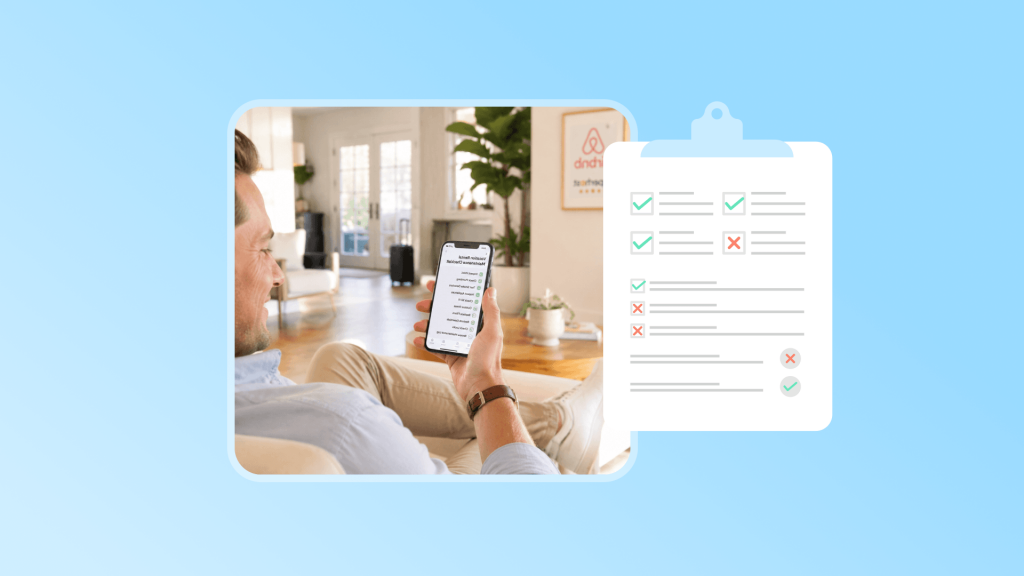
Vacation rental maintenance becomes expensive when small problems go unnoticed. A loose faucet, a slow-draining sink, or a weak HVAC system may seem minor during a turnover, but ignored issues can quickly lead to guest complaints, emergency repairs, and lost revenue.
The challenge for short-term rental hosts is not fixing problems after they happen. It is creating a maintenance process that helps identify issues early and keeps properties ready for every guest.
In this guide, we will cover practical strategies for building a reliable vacation rental maintenance process, including inspections, checklists, team coordination, and repair tracking.
How to Manage Vacation Rental Maintenance Efficiently
Many hosts already have 清掃チェックリスト, emergency contacts, and repair vendors. The problem is that these pieces often operate separately.
A reliable vacation rental maintenance system integrates these steps into a single repeatable workflow.
1. Create a Clear Maintenance Workflow
Without a clear process, maintenance depends on memory and individual effort. That works for a single property with occasional problems, but it becomes unreliable as bookings increase or more people become involved.
A practical workflow does not need to be complicated. It only needs to define four things:
- Detect: How will problems be discovered?
- Report: Where should issues be submitted?
- Assign: Who is responsible for fixing them?
- Track: How do you know the issue is completed?
Your cleaners are often the first people to notice problems because they enter the property between guest stays. A simple reporting process can help prevent these problems from being forgotten:
- Cleaner notices an issue
- Cleaner reports the issue with details and photos
- Manager reviews and prioritizes the request
- Maintenance task is assigned to the right person
- Repair is completed and documented
This ensures problems do not disappear in chat messages or get overlooked during busy turnover periods.
2. Define Responsibilities for Cleaners, Managers, and Vendors
Maintenance issues often get delayed because responsibilities are unclear.
A cleaner may notice that a door handle is loose, but they may not know whether to repair it, report it, or ignore it. A handyman may fix a problem but forget to provide photos or details about what was changed.
Assigning clear responsibilities prevents these small gaps. A typical setup looks like this:
Cleaner
- Identifies visible issues during turnovers
- Reports damage or maintenance concerns
- Uploads photos when needed
Host or Property Manager
- Reviews reported issues
- Decides priority and next steps
- Assigns the right person
Maintenance Vendor
- Completes the repair
- Provides updates and completion details
The exact roles may vary, but every issue should have an owner from discovery to completion.
3. Prioritize Maintenance Requests Before They Become Emergencies
A missing light bulb and a broken water heater are both maintenance problems, but they require very different responses.
A simple priority system helps you decide what needs action first:
| Priority | 例 | Response |
|---|---|---|
| Urgent | No water, heating or cooling failure, major leak, broken lock | Handle immediately |
| Important | Damaged appliance, plumbing issue, furniture damage | Schedule soon |
| Routine | Cosmetic damage, minor wear, small upgrades | Fix during the next maintenance window |
This prevents hosts from spending all their time reacting to minor issues while more serious problems wait unnoticed.
4. Track Maintenance Progress and Results
One of the biggest challenges for property managers is keeping track of the status of open maintenance issues. They often have to spend time asking about progress.
A maintenance tracking system should make it easy to see:
- Open requests
- Assigned team members
- Current status
- Completion notes
- Photos after repair
A property management system with task management features can support this workflow by connecting maintenance requests with the rest of your daily operations.
For example, Hostex helps property managers organize maintenance-related tasks by assigning work, collecting photos, tracking updates, and keeping repair records alongside daily rental operations. Cleaners can also report issues they discover during turnovers, helping teams address maintenance problems before they affect future guests.

5. Create a Vacation Rental Maintenance Log
A maintenance system is not complete when the repair is finished. The final step is keeping a record.
Over time, maintenance records help you understand patterns:
- Which appliances fail repeatedly?
- Which properties require more frequent repairs?
- How much are you spending on ongoing maintenance?
- When should an item be replaced instead of repaired?
A simple maintenance log should include:
| Information | なぜそれが重要なのか |
|---|---|
| Date | Shows repair frequency and maintenance patterns |
| 財産 | Helps compare performance across listings |
| Issue description | Provides context for future decisions |
| Action taken | Shows what was repaired or replaced |
| Person or vendor involved | Helps manage service providers |
| 料金 | Helps plan future budgets |
| Photos or documents | Provides a record of the property’s condition |
For recurring problems, these details can reveal whether a repair is actually solving the issue or only delaying a larger replacement.
Vacation Rental Maintenance Checklist: What to Check and When
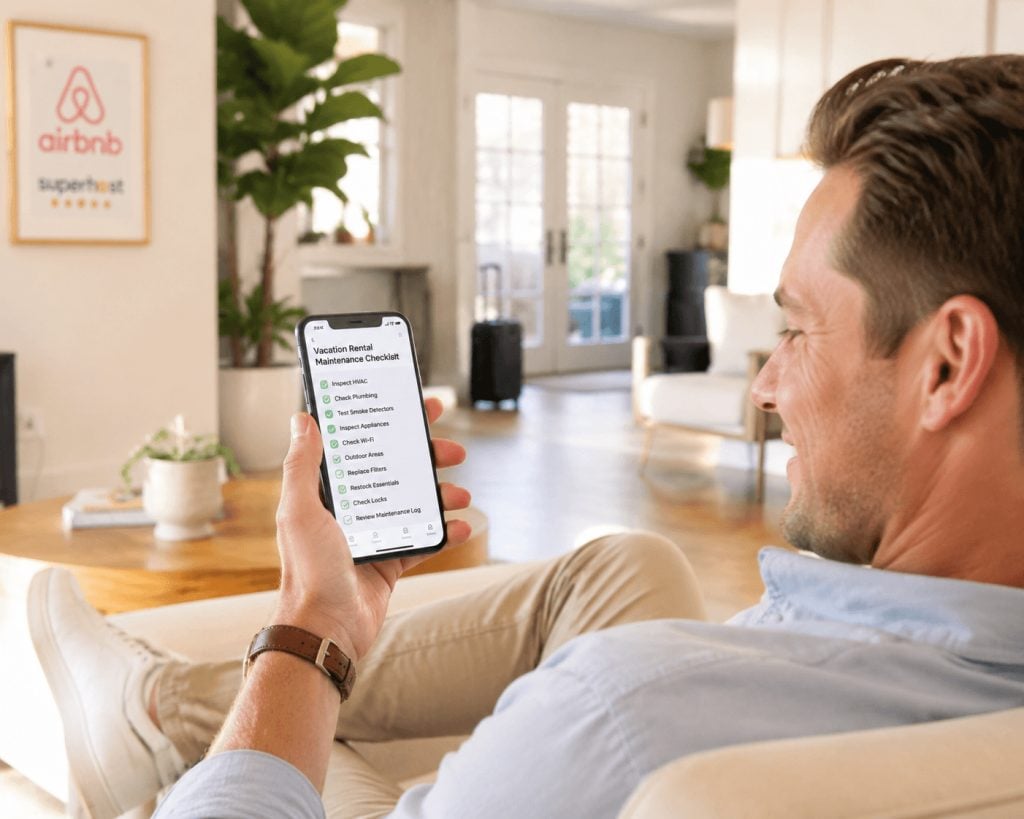
A vacation rental maintenance checklist works best when it follows the actual operating rhythm of a short-term rental. Trying to inspect everything every day creates unnecessary work, while checking too rarely allows small issues to become expensive repairs.
The most practical approach is to divide maintenance tasks by frequency:
- After every guest checkout: Find problems that could affect the next stay.
- Monthly: Inspect systems and equipment that slowly wear down over time.
- Seasonally: Prepare the property for weather changes and higher-demand periods.
After Every Guest Checkout: Turnover Maintenance Checklist
The turnover period is the most important maintenance checkpoint because your property is already being inspected before the next guest arrives.
The goal is not to perform a full property inspection during every cleaning. Instead, focus on issues that could immediately affect guest experience, safety, or property condition.
1. Check for Visible Damage
Guests use your property differently from how you do. Small issues can appear after only a few stays.
- Broken furniture, decorations, or kitchen items
- Stains on upholstery, carpets, or bedding
- Damaged walls, doors, or fixtures
- Missing items that should be replaced before arrival
Photos are especially useful for documenting damage and comparing property condition over time.
2. Test High-Use Items
Some items receive constant use and should be checked regularly because failures can quickly create guest complaints. Include:
- Smart locks and door handles
- Lights and switches
- TVs and remote controls
- Kitchen appliances
- Shower and sink drains
3. Look for Water Issues
Water-related problems are among the most disruptive maintenance issues because even small leaks can cause damage if ignored.
- Under sinks for moisture or water stains
- Toilets for leaks around the base
- Showers and drains for slow drainage
- Faucets for dripping water
A quick test during turnover can prevent a guest from discovering a problem after check-in.
4. Check Safety Equipment
Safety checks should be part of your regular turnover routine. Depending on your property setup, verify:
- Smoke detectors are present and functioning
- Carbon monoxide detectors are working
- Fire extinguishers are accessible
- Emergency exits are not blocked
Always follow the safety requirements that apply in your location, as regulations vary by region.
Monthly Vacation Rental Maintenance Checklist
Monthly inspections are designed to catch issues that are not obvious during a quick turnover.
If you manage multiple properties, these inspections can also help you identify recurring maintenance problems before they become expensive.
1. Inspect HVAC Systems
Heating and cooling systems are critical for guest comfort. Monthly checks should include:
- Inspecting air filters and replacing them when needed
- Checking that vents are not blocked
- Looking for unusual noises or performance changes
Dirty filters and poor airflow can reduce system efficiency and may put unnecessary stress on equipment.
2. Check Appliances and Fixtures
Appliances often fail gradually before they stop working completely. Regular attention helps extend the useful life of expensive items.
- Check the refrigerator temperature and door seals
- Clean appliance filters where applicable
- Inspect washing machines for leaks or unusual sounds
- Check dishwashers for drainage problems
- Clean coffee makers and other frequently used equipment
3. Inspect Furniture and Interior Condition
Short-term rentals experience much more frequent use than most homes. Addressing small cosmetic issues regularly helps maintain the quality guests expect from listing photos.
Look for:
- Loose chairs or table legs
- Worn mattresses or cushions
- Damaged curtains or blinds
- Peeling paint or wall damage
- Loose cabinet handles and hinges
4. Review Outdoor Areas
Outdoor spaces often require more attention because they are exposed to the weather. Check:
- Patio furniture condition
- Decks and railings
- Outdoor lighting
- Grills
- Pool or hot tub equipment, if applicable
Seasonal Vacation Rental Maintenance Checklist
Seasonal maintenance focuses on preparing your property for changing weather and upcoming booking patterns.
The exact schedule depends on your location, but most properties should review major systems at least before peak seasons.
1. Spring Maintenance
Before warmer months and increased bookings, check:
- Service cooling systems
- Inspect outdoor furniture and equipment
- Check windows, doors, and exterior seals
- Prepare pools or outdoor amenities if applicable
2. Summer Maintenance
During high occupancy periods, check:
- Monitor air conditioning performance
- Check outdoor areas more frequently
- Address pest issues quickly
- Inspect high-use amenities regularly
3. Fall Maintenance
Before colder weather arrives, check:
- Service heating systems
- Check insulation and exposed pipes in cold climates
- Clean gutters where needed
- Prepare outdoor equipment for storage
4. Winter Maintenance
During slower periods, check:
- Complete larger repair projects
- Replace aging appliances or furniture
- Perform deep cleaning
- Inspect properties that remain vacant for extended periods
How Much Should You Budget for Vacation Rental Maintenance?
There is no universal percentage that works for every property. A beachfront home with a pool, a city apartment, and a small cabin will have very different maintenance needs.
The right budget depends on several factors:
| Factor | なぜそれが重要なのか |
|---|---|
| Property age | Older properties usually require more repairs and replacements |
| 所在地 | Weather conditions and local service costs affect expenses |
| アメニティ | Pools, hot tubs, fireplaces, and outdoor spaces increase maintenance needs |
| Guest volume | More stays usually mean more wear on appliances, furniture, and fixtures |
| Property quality standards | Higher-end rentals often require more frequent upgrades and replacements |
How to Estimate Your Maintenance Budget
For hosts who do not yet have enough historical data, start by reviewing similar properties in your market and creating a realistic reserve. Here’s a simple approach.
1. Review Previous Repair Costs
The most accurate maintenance budget comes from your own data. A maintenance log allows you to see:
- Which repairs happen repeatedly
- Which items cost the most to maintain
- Whether replacement is cheaper than continued repair
- How maintenance costs change as the property ages
After tracking expenses for several seasons, you can create a much more accurate budget based on your property’s actual needs.
2. Consider Your Property’s Risk Factors
Some properties naturally require more maintenance. For example:
- A vacation home with a pool needs regular equipment care.
- A mountain property may need more weather-related maintenance.
- A high-end rental may require faster furniture replacement to maintain guest expectations.
3. Build a Replacement Reserve
A common budgeting mistake is treating every expense as the same type of maintenance.
Routine maintenance costs are recurring expenses required to keep the property operating properly.
- HVAC servicing
- Plumbing repairs
- Appliance repairs
- Minor furniture fixes
- Painting and cosmetic repairs
- Pest control
- Replacement of small items
Major replacements are where many hosts get caught unprepared. Such as:
- Replacing an HVAC system
- Installing a new water heater
- Replacing major appliances
- Renovating bathrooms or kitchens
- Replacing flooring or furniture sets
FAQ about Vacation Rental Maintenance
What are the most common Airbnb maintenance issues?
The most common issues vary by property type, but short-term rentals typically experience problems related to frequent guest turnover and high usage.
Common examples include:
- Clogged drains
- Damaged furniture or fixtures
- Appliance problems
- Smart lock issues
- HVAC-related complaints
- Missing or broken household items
Regular inspections help identify many of these issues before they disrupt a guest’s stay.
How often should you inspect a vacation rental?
The frequency depends on your property’s size, location, amenities, and booking volume. However, most vacation rentals should have some level of inspection after every guest checkout, with deeper inspections scheduled monthly and seasonally.
Turnover checks help identify immediate issues before the next arrival, while monthly and seasonal inspections focus on systems and equipment that need less frequent attention.
What should be included in a vacation rental maintenance checklist?
A vacation rental maintenance checklist should cover the areas most likely to affect guest experience, safety, and property condition.
Common items include:
- Plumbing fixtures and possible leaks
- Smart locks and entry systems
- 家電製品
- HVAC filters and performance
- Furniture and visible damage
- Safety equipment
- Outdoor areas and amenities
The checklist should be adjusted based on the property. A city apartment and a vacation home with a pool will require different maintenance routines.
How do you organize maintenance tasks for multiple vacation rentals?
Managing maintenance across multiple properties requires a consistent workflow.
A practical system should allow you to:
- Collect maintenance requests from cleaners and team members
- Assign tasks to the right person
- Track repair status
- Store photos and completion notes
- Review maintenance history
Many property managers use a PMS with task management capabilities to keep maintenance coordination connected with their daily rental operations.
How do you handle emergency maintenance during a guest stay?
Before an emergency happens, prepare a clear response plan.
Make sure you have:
- Reliable contacts for plumbers, electricians, HVAC technicians, and other vendors
- A process for prioritizing urgent issues
- Clear communication with guests
- A record of previous repairs
For issues that affect basic comfort or safety, such as no heating, major leaks, or access problems, respond quickly and keep guests updated throughout the process.
DIY or Hire a Professional for Maintenance?
Not every maintenance task requires a professional.
In general, low-risk, simple repairs such as replacing filters and light bulbs, tightening hardware, or touching up paint can be done yourself.
However, tasks involving safety, permits, or the potential for costly damage, such as electrical work, HVAC system issues, plumbing leaks, or roof and structural repairs, should be left to qualified professionals.
It’s best to establish decision-making guidelines in advance so you can make the right call quickly when a problem arises.
 Japanese
  English
  Spanish
  Arabic
  French
  Russian
  German
  Portuguese
  Korean
  Italian
  Thai
Thai