
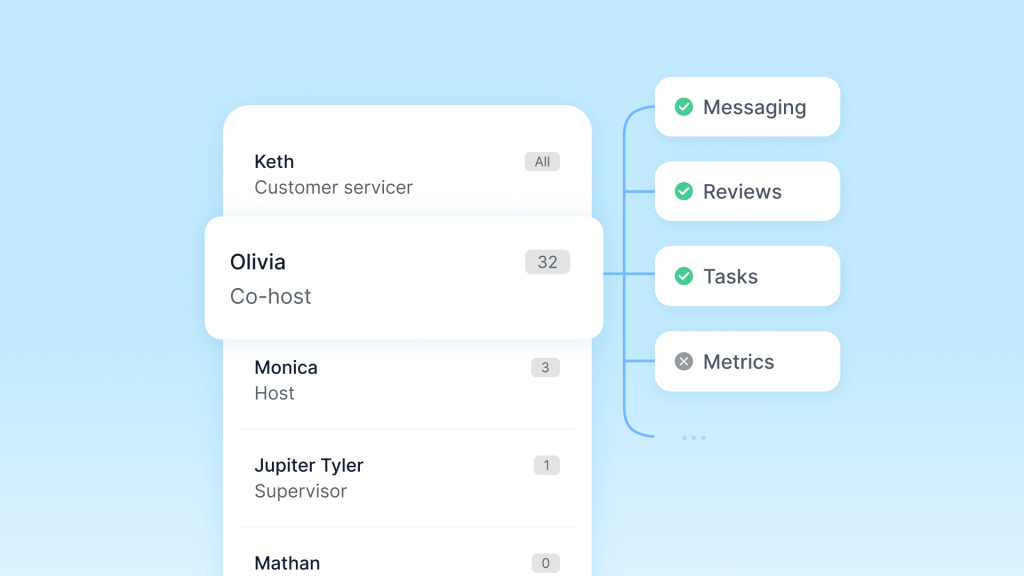
You started with two properties and managed everything yourself. Then you added three more, and your workload suddenly grew. Before long, you may need to build a small team and train each member to handle their responsibilities. A well-designed إدارة الممتلكات onboarding checklist can make the process easier and keep daily operations running smoothly as your vacation rental business grows.
In this guide, you’ll find a step-by-step onboarding checklist, tips for creating effective SOPs, training methods for different roles, and ways to identify gaps in your onboarding process before they become recurring problems.
Why Vacation Rental Property Management Onboarding Matters
At a small scale, you can explain procedures over text and answer questions as they arise. As your portfolio grows, that approach becomes harder to maintain. Team members may develop different work habits, overlook property-specific requirements, or make decisions without understanding your expectations.
Effective onboarding gives new hires three things they need to work confidently:
- a clear understanding of their responsibilities,
- documented procedures for routine tasks,
- guidance on when to handle an issue themselves or escalate it.
It also helps protect the guest experience.
- Consistent cleaning standards reduce avoidable oversights,
- Clear communication procedures help prevent missed messages,
- Defined maintenance protocols make it easier to address problems before they affect a stay.
Onboarding goes beyond orientation. They need to understand how your properties operate and what good performance looks like.
Property Management Onboarding Checklist Every Host Needs
Use the following timeline as a starting point for onboarding new vacation rental team members. Adapt the tasks to each person’s responsibilities and experience rather than expecting every role to follow exactly the same training schedule.
Before Day 1: Prepare for Onboarding
Get the essentials ready before the new hire begins.
- Define the role. Document their responsibilities, reporting line, decision-making authority, and the situations that require your approval.
- Prepare system access. Set up the accounts, communication channels, task management tools, and property information they need. Limit access according to their responsibilities.
- Organize essential documents. Gather relevant SOPs, checklists, property instructions, vendor contacts, and emergency procedures.
- Set training goals. Identify the tasks they must demonstrate before working independently and how you will evaluate their readiness.
Day 1: Learn the Properties and Procedures
The first day should establish a practical understanding of the properties and the systems the new hire will use.
- Tour the relevant properties. Show them where essential equipment, utility shut-off valves, cleaning supplies, and access points are located. For remote properties, provide current photos or a property guide covering the same information.
- Explain property-specific requirements. Review differences in layouts, appliances, access arrangements, house rules, and turnover standards. Do not assume procedures from one property apply to every other property.
- Introduce the communication workflow. Explain which tools to use, who handles different types of requests, and how quickly urgent issues must be escalated.
- Review emergency contacts and procedures. Provide written contact details for relevant contractors and explain what to do in situations involving safety, property damage, or essential services.
Week 1: Practice Core Responsibilities
During the first week, new hires should practice the tasks they will perform regularly, with supervision appropriate to their experience.
- Complete a role-specific walkthrough. For cleaners, demonstrate a full turnover. For guest communications staff, review how to handle a typical inquiry from start to finish. For maintenance coordinators, walk through the process of reporting and scheduling a repair.
- Practice common guest scenarios. Work through situations such as an early arrival request, a missing item, a lock problem, or a complaint about cleanliness. Explain which situations they can resolve independently and which require escalation.
- Review emergency scenarios. Cover relevant situations such as a suspected gas leak, a serious water leak, a failed lock, or a loss of essential services. Make sure the new hire understands the appropriate response rather than simply memorizing contact details.
- Review their first attempts. Check completed tasks or draft guest messages and provide specific feedback before the same mistakes become habits.
Month 1: Build Independence
As the new hire becomes more familiar with your operations, gradually transfer responsibility for routine work.
- Assign independent tasks. Have them complete representative tasks without step-by-step supervision. For cleaners, this may mean handling full turnovers. For guest communications staff, it may involve managing routine inquiries.
- Evaluate work against documented standards. Review completed tasks, message threads, or maintenance records to identify gaps in accuracy, judgment, or consistency.
- Test decision-making. Discuss situations they have not encountered yet and ask how they would respond. Focus on whether they can recognize risks and follow the correct escalation process.
- Hold a progress review. Ask what remains unclear, where they need more practice, and whether any procedures are difficult to follow. Use this feedback to improve both their training and your onboarding process.
The timeline is a guide, not a deadline. A new hire should take on independent responsibilities when they can consistently meet the requirements of the role.
Tailor Onboarding to Each Property Management Role
Different team members need different training. Use the table below to identify the skills each role requires most.
| Role | Onboarding Focus | Key Skill to Develop |
|---|---|---|
| Cleaner | Turnover checklists, photo standards, restocking procedures | Maintaining consistent quality across properties |
| Guest communications staff | Message templates, platform procedures, escalation rules | Knowing when to resolve an issue and when to escalate |
| Maintenance coordinator | Vendor contacts, spending limits, scheduling procedures | Identifying potential problems and coordinating timely repairs |
| Revenue or pricing manager | Market data, pricing tools, seasonal strategy | Recognizing booking patterns and pricing opportunities |
Previous experience can help, but it does not replace property-specific training. A hotel cleaner may already understand professional cleaning standards but still need to learn your restocking requirements and turnover deadlines. A customer service representative may be comfortable handling complaints but need guidance on platform-specific procedures and the urgency of guest requests during a stay.
Focus training on the gaps between what the new hire already knows and what the role actually requires.
How to Create SOPs for Vacation Rental Teams
Standard operating procedures (SOPs) turn your expectations into instructions that team members can follow without asking you to explain every step.
The challenge is making those instructions useful during actual work. Keep these three principles in mind.
1. Keep Instructions Concise and Actionable
Use short, specific steps that tell employees what to do and how to check their work.
For example, a cleaning checklist might say:
- Check all windows and mirrors for visible smudges.
- Confirm that the required toiletries and supplies are stocked.
- Photograph any damage or missing items and report them before marking the turnover complete.
A routine checklist may fit on one page, while more complex procedures may need additional instructions or safety information. Clarity matters more than an arbitrary page limit.
2. Match the Format to the Task
Use checklists for repeatable tasks and more detailed instructions for procedures that require judgment.
A turnover checklist helps cleaners verify that every required task is complete. A maintenance procedure may need troubleshooting steps, safety precautions, and instructions for contacting a qualified contractor.
Where appearance matters, include reference photos showing the expected result. This is particularly useful for bed presentation, amenity placement, and property-specific cleaning standards.
3. Keep SOPs Accessible and Up to Date
Store instructions where employees can find them while working. If your team uses a task management app, attach the relevant checklist to the task. If you use a shared document system, organize files by property and role.
Review the procedures whenever you identify a recurring mistake, change a property setup, or introduce a new operational requirement. Assign someone to maintain the documents so outdated instructions do not remain in circulation.
How to Train New Vacation Rental Team Members
Written instructions provide a reference, but employees also need opportunities to practice. A simple demonstration-and-feedback cycle helps them learn how to apply your procedures.
Step 1: Demonstrate the task.
Show the new hire how to complete the process according to your documented standard. Explain important decisions and property-specific requirements as they arise.
Step 2: Let them practice.
Have them perform the task while you observe. Avoid taking over at the first mistake unless there is a safety risk or a significant chance of affecting a guest.
Step 3: Give specific feedback.
Identify what needs to change and explain why. Instead of saying that a room needs more attention, point out the missed areas and show how to verify that they are clean before the next check-in.
Step 4: Repeat and evaluate.
Ask them to complete the task again, then check whether they can follow the procedure consistently. Provide additional practice where necessary before assigning the task independently.
This approach can be used for cleaning, guest communication, and maintenance coordination. The training should continue until the employee meets the requirements of their role, particularly for tasks involving guest safety, property security, or significant financial decisions.
Tools That Make Onboarding Easier to Manage
The right tools help you deliver training consistently, keep instructions accessible, and track whether work has been completed. Choose tools based on the tasks your team needs to perform rather than adding software without a clear purpose.
إدارة المهام
استخدم task management tool to assign responsibilities, set deadlines, and record completion. For vacation rental turnovers, this makes it easier to confirm that cleaning and inspection are finished before the next guest arrives.
Team Communication
Establish a clear process for handling guest messages, internal questions, and urgent incidents. A shared inbox or team messaging system can help prevent missed messages and clarify who is responsible for responding.
برنامج إدارة الممتلكات
أ نظام إدارة الممتلكات can bring team access, task assignment, and guest communication into one workflow.
Hostex, for example, offers team accounts with configurable permissions, task assignment, automated workflows, a unified inbox, and owner reporting. These features can help managers organize responsibilities and reduce the need to relay information manually between team members.
The goal is to give each person access to the information and tools required for their role without making onboarding unnecessarily complicated. Start with the systems your team needs most, then introduce additional tools only when they solve a specific operational problem.

Signs Your Property Management Onboarding Needs Improvement
Recurring operational problems can reveal gaps in your training or procedures. Look for these signals and address the underlying cause.
1. The Same Guest Complaint Keeps Happening
If multiple guests report the same cleaning issue, review the turnover checklist and inspection process. Add any missing steps, explain the expected standard, and verify that the updated procedure is being followed.
2. Employees Ask You to Approve Every Decision
Frequent requests for approval may indicate that employees do not understand their authority. Define which decisions they can make independently and which require escalation.
For example, you might allow staff to purchase routine supplies up to a specified amount without approval. Safety concerns, guest compensation, and work requiring specialized contractors may still need escalation regardless of cost.
3. The Same Mistake Happens Repeatedly
Determine whether the employee misunderstood the procedure, overlooked an instruction, or received insufficient feedback. Correct the immediate problem and update the training or documentation if the process itself contributed to the mistake.
4. Employees Struggle With Common Unexpected Situations
If staff can complete routine tasks but do not know how to respond when something changes, your training may be too narrowly focused on standard procedures.
Add realistic scenarios to practice sessions, such as a guest arriving early, a lock battery failing, or a cleaner canceling shortly before a turnover. Make sure employees understand both the appropriate response and when to seek help.
التعليمات
How Long Should Vacation Rental Onboarding Take?
The timeline depends on the role, the employee’s experience, and the complexity of your operations.
A cleaner with relevant experience may be ready to handle routine turnovers independently after several supervised practice runs. Guest communications staff may need longer to learn your property’s procedures, platform requirements, and escalation rules. Employees responsible for maintenance coordination or revenue management may also need time to become familiar with your vendors, systems, and decision-making processes.
Use demonstrated competence rather than a fixed number of days to determine when someone is ready to work independently.
Do I Need Different Onboarding for Different Property Types?
Yes. The core onboarding process can remain consistent, but the instructions should reflect each property’s specific requirements.
A beach condo with frequent same-day turnovers may require particular attention to cleaning schedules and guest arrival times. A remote cabin may need more detailed instructions for heating systems, access arrangements, and emergency maintenance.
Document these differences in property-specific guides so employees can check the relevant information without relying on memory.
What Is the Most Common Onboarding Mistake Property Managers Make?
Assuming previous experience is enough.
A cleaner who performed well at another property may not know your inspection standards or restocking requirements. A co-host experienced with urban apartments may be unfamiliar with the maintenance needs of a rural property.
Explain your expectations, observe employees performing the actual tasks, and confirm that they can meet your standards before handing over full responsibility.
Should I Pay for Onboarding Time?
Budget for paid training time based on the responsibilities and complexity of each role, and check the labor requirements that apply to your business.
New hires need sufficient time to learn your procedures and practice their core responsibilities. Investing in structured training can help prevent avoidable mistakes and reduce the operational disruption caused by unclear expectations or inadequate preparation.
Use the following timeline as a starting point for onboarding new vacation rental team members. Adapt the tasks to each person’s responsibilities and experience rather than expecting every role to follow exactly the same training schedule.

 Arabic
 English
 Japanese
 Spanish
 French
 Russian
 German
 Portuguese
 Korean
 Italian
 Thai