
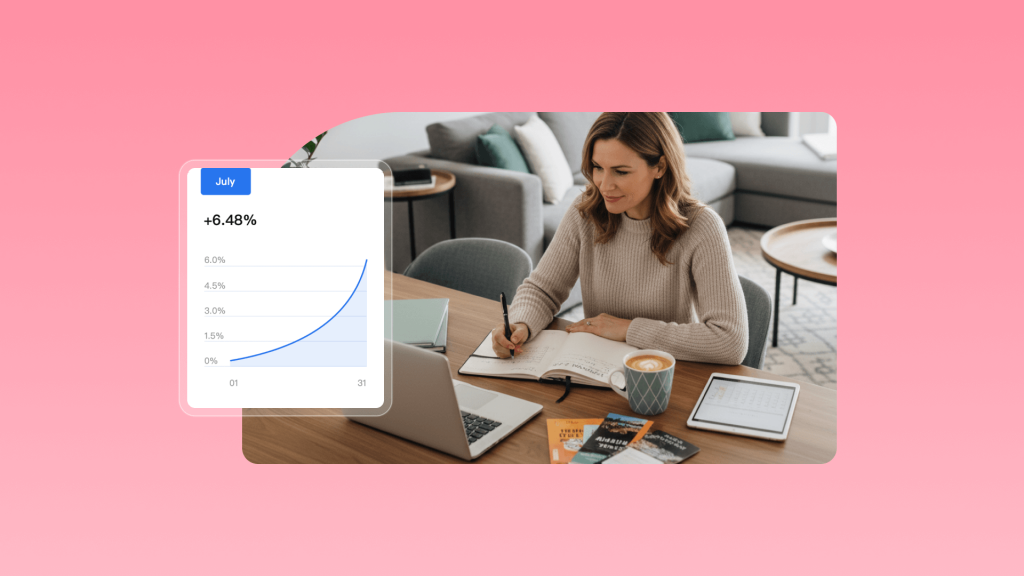
Few things are more frustrating for an Airbnb host than looking at an otherwise promising calendar and seeing nights that remain unbooked. Every empty night represents an opportunity that has passed, and too many gaps can have a noticeable impact on your overall revenue. That is why knowing how to get more bookings is such an important part of running a successful short-term rental.
In this article, we walk you through practical strategies that really work. You will get tips to make your listings stand out, improve guest experience, and encourage repeat bookings. These are tactics you can start using immediately, without guessing or wasting time.
Managing multiple properties can feel overwhelming, but it doesn’t have to be. Tools like Hostex, a professional vacation rental management system, can automate over 70% of daily repetitive tasks. That frees you to focus on the things that truly impact your bookings and guest satisfaction. Plans start from just $4.9 per month.
Thinking About Increasing Your Bookings as a System
Before diving into specific tactics, it’s important to understand that increasing Airbnb bookings is not about a single fix. Filling more nights is a system-wide effort. You need to consider the bigger picture, from attracting the right guests to turning first-time visitors into repeat bookers.
In previous guides, we looked at strategies for shoulder seasons and off-season bookings. Here, we take a more holistic approach. We break the process into four key layers: supply and demand, exposure, conversion, and repeat bookings.
Think of these layers as two main categories: attracting traffic and improving conversion. On one hand, you want more potential guests to see your listing. On the other hand, you want those visitors to actually book. Both are equally important, and neglecting either can leave your calendar emptier than it should be.
In other words, you’re not just patching gaps; you’re building a system designed to maximize bookings consistently.
Key Metrics to Track Before Optimizing Your Airbnb Bookings
Before you try to increase Airbnb bookings, it is crucial to know your current performance. You cannot improve what you do not measure. Understanding key metrics helps you make data-driven decisions.
Here are the most important metrics, explained in detail:
1. Occupancy Rate
This is the percentage of nights your property is booked over a given period. Calculate it by dividing booked nights by available nights and multiplying by 100.
For example, if your property is booked 18 out of 30 nights, your occupancy rate is 60%.
Generally, a healthy short-term rental in a competitive market should target a 70–85% occupancy rate.
2. Average Daily Rate (ADR)
ADR measures how much revenue you earn per night on average. Divide total rental revenue by the number of booked nights.
For instance, $3,000 revenue from 20 booked nights gives an ADR of $150.
Compare your ADR with similar properties in your area to see if your pricing is competitive.
3. Revenue Per Available Rental (RevPAR)
RevPAR combines occupancy and ADR, showing total revenue potential per available night. Calculate it as ADR multiplied by occupancy rate.
Using the previous examples: $150 ADR × 60% occupancy = $90 RevPAR.
This metric allows you to compare periods or properties more accurately.
4. Click-Through Rate (CTR)
CTR measures how often travelers click on your listing after seeing it in search results. Divide the number of clicks by the number of impressions and multiply by 100.
Low CTR may indicate that your Airbnb title, cover photo, or first image does not attract attention. Above all, focus on making the first photo and headline compelling.
5. Inquiry-to-Booking Conversion Rate
This shows the percentage of inquiries that result in actual bookings. Divide confirmed bookings by total inquiries.
For example, if you get 20 inquiries and 8 turn into bookings, your conversion rate is 40%.
A low conversion rate often points to issues with responsiveness, house rules, or pricing clarity.
Practical Tips to Spot Weaknesses Quickly
- Export booking and inquiry data for the past 3–6 months. Organize it in a spreadsheet.
- Compare occupancy, ADR, and RevPAR month by month. Look for patterns in slow periods or peak months.
- Compare CTR and conversion rates across listings. A listing with high CTR but low conversion likely has issues with the listing description, photos, or pricing.
- Segment data by weekdays, weekends, or seasons. This helps you identify when your property underperforms.
- Set benchmarks. For example, if your average occupancy is below 70% or conversion below 30%, you know these are areas to focus on first.
By measuring these metrics accurately and analyzing patterns, you know exactly where to focus your efforts to increase bookings. In short, this is the foundation of any successful strategy for higher Airbnb occupancy.

9 Strategies to Boost Your Airbnb Bookings
Key Takeaways
1. Optimize Your Listing Title and Description
- Create attention-grabbing titles highlighting your property’s main appeal.
- Craft descriptions that focus on guest needs, unique features, and local experiences.
2. High-Quality Photography and Cover Image
- Use natural light and clean staging to showcase your property.
- Choose a compelling cover image that immediately attracts clicks.
3. Set Amenities Correctly
- Include all relevant facilities that improve guest experience and search visibility.
- Highlight both essential amenities and unique extras that differentiate your listing.
4. Optimize Your Pricing
- Use competitive pricing, seasonal adjustments, and dynamic tools to maximize occupancy.
- Test pricing strategies regularly and adjust based on demand and performance.
5. Set Appropriate Booking Restrictions
- Adjust Minimum Stay, cleaning fees, and cancellation policies to balance guest conversion and operational efficiency.
- Consider optional fees for pets, extra guests, or special services.
6. Distribute Across Multiple Channels
- Focus on major platforms like Airbnb, Vrbo, and Booking.com to reach different audiences.
- Keep calendars synchronized and consider a direct booking website for more control and repeat bookings.
7. Enable Instant Book
- Streamline the booking process and improve search visibility by allowing guests to book instantly.
- Use Airbnb’s guest screening filters to maintain quality control.
8. Enhance the Guest Check-In Experience
- Make check-in smooth and convenient to improve reviews and encourage repeat stays.
- Use self-check-in options, clear instructions, and thoughtful touches.
9. Run Promotions and Marketing Campaigns
- Offer targeted deals during off-season or low-demand periods.
- Highlight seasonal perks, unique experiences, or limited-time offers to drive urgency.
Strategy 1: Optimize Your Title and Listing Description
Your Airbnb name and description are usually the first things potential guests notice. Think of them as the storefront of your property. A compelling title and description can dramatically increase clicks and bookings, so it’s worth taking the time to highlight your advantages.
1. Create a Captivating Title
A strong title quickly communicates your property’s main appeal. Guests should immediately know why your listing is the right choice for them.
Practical tips for titles:
- Keep it clear and specific; mention key features or location.
- Lead with your strongest selling point.
- Use words that resonate with your target audience, like “cozy,” “family-friendly,” or “modern.”
- Avoid generic adjectives like “nice” or “beautiful” without context.
High-converting examples:
- “Sunny 2BR Downtown Loft with Skyline Views”
- “Cozy Beachside Cottage Steps from the Shore”
- “Modern Apartment with Fast Wi-Fi & Workspace”
2. Write an Engaging Description
Guests who read your description are looking for more valuable information. Focus on what matters to them: amenities, unique features, local experiences, and even personal touches or stories. A narrative approach makes your listing memorable.
Practical suggestions:
- Start with a hook in the first 50 words that captures attention.
- Highlight what makes your property unique.
- Break up text for readability, especially for mobile users.
- Include natural keywords for search optimization, like “pet-friendly cabin with hot tub” or “family home near Disney.”
- Avoid keyword stuffing; make it human and engaging.
Simple Example:
“Our lakeside cottage is just steps from the shore, where you can wake up to a stunning sunrise. Conveniently located near the subway, you can easily explore the city. Enjoy the local charm with nearby coffee shops, cozy pubs, and highly-rated restaurants. I love meeting guests and, if you’re interested, I can show you my favorite hidden spots around town.”
Strategy 2: High-Quality Photo and Cover Image Strategy
Humans are visual creatures, and images capture attention far more easily than text, especially during quick browsing. Before anyone reads your description, your photos are already selling your listing. It is therefore essential to ensure your images are not only attractive but also showcase your property in its absolute best light.
1. Capture the Must-Have Scenes
Certain areas of your property should always be photographed. Think of spaces guests care about the most: the living room, bedroom, kitchen, bathroom, and any standout amenities. Include outdoor areas, views, or unique features.
Practical tips:
- Use natural light whenever possible. Morning or afternoon light usually works best.
- Keep rooms tidy and clutter-free. A clean space looks inviting.
- Highlight key features in each shot. For example, a fully equipped kitchen, a cozy reading nook, or a sunlit balcony.
- Use wide-angle shots for small spaces, but avoid distortion that makes rooms look unnatural.
2. Optimize Your Cover Photo
The first image guests see is critical. It needs to grab attention and tell a story immediately.
Tips for cover photos:
- Lead with the property’s main selling point, such as a scenic view, stylish living area, or a private pool.
- Make the image bright and sharp. Dark or blurry photos reduce clicks.
- Rotate the cover seasonally if your property’s appeal changes with time (e.g., a garden in spring, a fireplace in winter).
3. Assign Secondary Photos Thoughtfully
Secondary images should complement the cover photo and provide a complete picture of the stay.
Practical tips:
- Regularly update photos after renovations, new furniture, or seasonal changes.
- Follow a logical flow: living areas → bedrooms → bathrooms → kitchen → amenities → outdoor spaces.
- Include lifestyle shots that show how guests might use the space. For example, a breakfast setup on the balcony or a cozy evening in the living room.
Strategy 3: Set Amenities Correctly
One of the main reasons travelers choose Airbnb over a hotel is the unique, personalized experience. The amenities in your property are key to creating that memorable stay. Properly listing all the features you offer is not just ticking checkboxes. Amenities directly influence guest decisions and your listing’s visibility in Airbnb search filters.
1. Identify Essential Amenities
Certain amenities are almost always expected by guests. Providing these improves guest satisfaction and increases your chances of bookings.
High-impact amenities to prioritize:
- Fast, reliable Wi-Fi
- Air conditioning or heating, depending on the season
- Fully equipped kitchen (oven, microwave, fridge, utensils)
- Washer and dryer
- Free parking or convenient access
- Comfortable bed with quality linens
These essentials are often used by guests as filter criteria. If they are missing or unchecked, your property might not appear in search results for travelers who need them.
2. Include Extra Amenities to Stand Out
Beyond the basics, additional amenities can differentiate your listing and boost conversion. These “nice-to-have” features create a more appealing and personalized experience.
Recommended extras:
- Workspace or desk with charging outlets
- Smart TV or streaming services
- Outdoor seating, balcony, or patio
- Coffee maker or espresso machine
- Board games, books, or family-friendly entertainment
- Pet-friendly options (beds, bowls, or fenced yard)
Offering these additional perks can make your property more memorable and attract guests willing to pay a premium. It also helps match your listing to niche search filters, like “pet-friendly,” “family-ready,” or “remote work-ready.”
Practical tip: Review your amenities every few months. Add new items when possible and remove outdated ones. This keeps your listing accurate and competitive.

Strategy 4: Optimize Your Pricing
Pricing is one of the most decisive factors in a guest’s booking decision. It deserves careful thought because even a small adjustment can influence your visibility, conversion rate, and final revenue. A smart pricing strategy helps you stay competitive while protecting your margins.
Here are some of the most effective approaches used by high-performing hosts:
1. Align your base rate with similar listings
Check properties in your area with the same size, amenities, and quality level. Set your base price within that range, then adjust based on your unique strengths. When your price is clearly higher or lower than comparable listings, it often hurts credibility or signals low value.
2. Use seasonal pricing based on demand shifts
Guest demand changes throughout the year. Adjust your rates during holidays, local events, peak seasons, and shoulder seasons. Higher demand supports higher prices. Lower demand requires competitive adjustments to maintain occupancy.
3. Offer discounts at the right moment
Strategic promotions can unlock more bookings. For example, offer early bird discounts for bookings made far in advance. Set small last-minute discounts when you have upcoming open nights. These incentives help fill gaps without lowering your overall perceived value.
4. Create weekly and monthly stay discounts
Many guests search specifically for longer stays. A small weekly or monthly discount can make your listing appear more cost-effective in their search results. This also reduces turnover and cleaning work, which increases your net profit.
5. Manage weekend and weekday rate differences
Most areas experience stronger demand on weekends. Raising weekend rates and lowering weekday rates helps you match real market behavior. It also smooths occupancy across the entire week.
6. Review your cleaning fee carefully
A very high cleaning fee often discourages short stays. A very low fee may reduce your profit margin. Look at similar listings and adjust your cleaning fee so it feels fair and competitive.
The above provides only a simplified overview of pricing strategy logic. In reality, pricing is a complex topic that we have explored in depth. If you’re interested in a more detailed discussion, you can read our dedicated article: Vacation Rental Pricing Strategy: Proven Tactics to Stay Fully Booked.
Strategy 5: Set Appropriate Booking Restrictions
When someone books a property on Airbnb, many factors influence their decision. As a host, how you set minimum stay requirements, cleaning fees, extra charges, and cancellation policies can directly affect both guest conversion and operational efficiency.
1. Optimize Minimum Stay Settings
Setting the minimum stay too high may scare off potential guests, while setting it too low can increase operational costs or create gaps in your calendar. Therefore, adjust minimum stays based on your property type, location, and season.
- Weekdays: 1–2 nights, Weekends: 2–3 nights for city apartments.
- Peak season or holidays: consider longer minimum stays to reduce gaps and cleaning pressure.
- Off-season: shorter minimum stays to attract more bookings.
2. Adjust Cleaning Fees Transparently
High cleaning fees can deter bookings, while too low fees can hurt profitability. Make the fee clear in your listing to avoid surprises.
- For a 2–3 bedroom apartment, a $50–$75 cleaning fee works well in most markets.
- Adjust fees based on property size and local standards.
- Always show the cleaning fee upfront to improve trust and conversion.
3. Consider Extra Charges
Optional fees can help cover costs for pets, additional guests, or special services. Clear communication prevents confusion or disputes.
- Charge a pet fee of $10–$20 per night if you allow pets.
- Additional guest fee: $15–$25 per night after the first two guests.
- Use Airbnb’s fee settings to automate these charges.
4. Set Reasonable Cancellation Policies
Strict cancellation policies may discourage bookings, while very flexible policies can leave you exposed to last-minute cancellations.
- Moderate policy: Full refund if canceled 5 days before check-in, partial refund after.
- Non-refundable option: Offer a lower rate for guests willing to commit.
- Consider a buffer fee for late cancellations, such as keeping the first night or a cleaning fee.
Additional Tip
Run a testing period of 2–4 weeks to observe how your adjustments impact booking conversion. Analyze the results, then iterate to find the optimal settings for your property.
Strategy 6: Multi-Channel Distribution
Listing your vacation rental on multiple booking platforms is almost always a net positive. By diversifying your distribution channels, you gain more visibility, reach different types of travelers, and reduce your dependency on a single OTA. We’ve covered this topic extensively in a separate article—List Vacation Rental on Multiple Sites: A Step-by-Step Guide—so we won’t repeat all the details here.
Instead, let’s highlight a few practical tips that will help you maximize the benefits of multi-channel distribution while keeping operations under control.
1. Focus on the major OTAs
Platforms like Airbnb, Vrbo, and Booking.com already cover the vast majority of global demand. Spreading yourself across too many smaller channels creates extra workload and operational risk, while often providing minimal incremental bookings. Concentrating on the top platforms helps you stay efficient while still capturing a broad audience.
2. Keep your calendars perfectly synchronized
This is one of the biggest challenges hosts face when listing across multiple platforms. A single sync failure can result in overlapping reservations and unhappy guests. Using a centralized PMS like Hostex makes this much easier—your calendars, availability, and rules update automatically across all channels, greatly reducing the risk of conflicts.
3. Experiment with different pricing strategies on different platforms
Each OTA attracts slightly different types of guests and has different fee structures, so your pricing shouldn’t be identical everywhere. For example, Booking.com guests may be more last-minute, while Vrbo guests often book longer stays. With Hostex’s bulk markup tool, you can apply different pricing logic to multiple listings at once—so managing 10 listings feels as easy as managing one.
4. Build your own direct booking website
Relying solely on OTAs means paying commissions and having limited access to guest data. A direct booking site helps you build your brand, capture guest information, and encourage repeat bookings. It also gives you more flexibility in setting policies and creating personalized offers—two advantages that OTAs simply can’t match.

Strategy 7: Enable Instant Book
Instant Book is one of the most effective ways to increase Airbnb bookings, especially for travelers who want a fast, seamless reservation experience.
Many guests scroll past listings that require waiting for host approval, so having Instant Book enabled can directly boost your conversion rate.
In addition, Airbnb’s algorithm tends to favor Instant Book listings, giving them higher visibility in search results.
1. Set clear guest requirements.
Enabling Instant Book doesn’t mean giving up control. You can require verified IDs, positive reviews, and compliance with house rules. This ensures that only responsible guests can book instantly while maintaining your safety and property standards.
2. Adjust booking windows and minimum stays.
Control how far in advance guests can book and set sensible minimum stay requirements. For example, allow same-day bookings if your cleaning schedule permits, but set a longer minimum stay during peak season to maximize revenue. This flexibility helps balance occupancy and operational efficiency.
3. Communicate expectations upfront.
Even though bookings are instant, clear communication is essential. Update your listing to clearly highlight check-in procedures, house rules, and any special instructions. Automated messaging tools like Hostex can send personalized pre-arrival messages, reducing guest confusion and last-minute questions.
4. Monitor performance and tweak settings.
Instant Book can dramatically increase bookings, but it’s important to monitor your conversion and guest behavior. If you notice an uptick in cancellations or inappropriate bookings, adjust your guest requirements or minimum stay settings. Testing for 2–4 weeks is often enough to see meaningful trends.
Strategy 8: Optimize Guest Experience
A great guest experience directly impacts reviews, ratings, and repeat bookings. Guests are not just booking a property—they are booking a memory.
Ensuring a smooth, enjoyable stay increases the likelihood of positive reviews and repeat visits, which in turn boosts your overall Airbnb visibility and booking rate.
1. Streamline check-in and check-out.
Guests value convenience. Keyless entry or smart locks allow flexible check-in, while clear instructions reduce confusion. Automated pre-arrival messages via Hostex can provide check-in codes, parking info, and local tips, minimizing last-minute questions.
2. Maintain cleanliness and attention to detail.
Cleanliness remains one of the top factors influencing reviews. Ensure the property is spotless before every check-in, and consider professional cleaning services or using Hostex’s automated cleaning task management to schedule and monitor housekeeping efficiently.
3. Personalize the stay.
Share local recommendations for restaurants, attractions, and hidden gems. Tailor suggestions based on the type of guest—families, couples, or business travelers. Personal touches, like a short note welcoming guests or highlighting seasonal experiences, make your property feel unique and memorable.
4. Monitor feedback and iterate.
After each stay, review guest feedback carefully. Address recurring issues promptly and implement improvements. Tracking trends over time helps refine your guest experience strategy and maintain high ratings.
Strategy 9: Run Promotions and Marketing Campaigns
Running well-timed promotions and marketing campaigns can help fill gaps in your calendar, attract new guests, and increase repeat bookings.
Especially during off-peak periods, small incentives can make a big difference in your Airbnb performance.
1. Offer seasonal or off-peak deals.
When demand slows, consider creating targeted promotions. For example, a midweek discount, early-bird special, or bundled local experience can motivate hesitant guests to book. Frame promotions around added value rather than just price reductions to make them more appealing.
2. Promote direct booking incentives.
Encourage guests to book through your own website by offering small perks, such as waived service fees, free local guidebooks, or exclusive discounts for returning visitors. This not only increases revenue but also helps you build a guest database for future marketing.
3. Use email and social media campaigns.
Share promotions with previous guests or potential travelers via email newsletters and social media posts. Highlight limited-time offers, seasonal experiences, or unique property features. Clear messaging, urgency, and attractive visuals increase engagement and conversion.
4. Leverage partnerships for added value.
Collaborate with local businesses—cafes, tour operators, or activity providers—to create special packages. Guests will perceive higher value, and partnerships can also expand your reach through cross-promotion.
5. Monitor results and iterate.
Track which promotions generate bookings and which do not. Adjust messaging, offer type, and timing based on results. Over time, this data-driven approach helps you maximize your marketing ROI and occupancy.

FAQ About Increasing Airbnb Booking
1. How can I increase Airbnb bookings without lowering my rates?
You don’t always need to cut prices to attract more guests. Focus on improving your listing’s visibility and appeal. Optimize your title and description, use high-quality photos, highlight unique features, offer flexible check-in options, and provide excellent amenities. Enhancing perceived value often drives more bookings than simple price reductions.
2. What are the risks of using Instant Book?
Instant Book allows guests to book without approval, which can increase conversions. However, it also opens the door to guests who might not meet your preferred criteria.
To mitigate risk, use Airbnb’s screening tools, set minimum review ratings, and apply house rules. Balancing convenience and safety ensures you maintain a positive guest experience.
3. How much should I budget for Airbnb photography?
Professional photography can significantly boost your booking rate. Budget depends on property size and location. Typically, $150–$500 for a full shoot yields high-quality images that attract clicks.
Prioritize natural lighting, key rooms, and exterior shots that showcase your property’s unique appeal. Updated photos every 1–2 years keep your listing fresh.
4. Which dynamic pricing tools are most effective?
Dynamic pricing tools help adjust nightly rates based on demand, season, and local events. Popular options include Beyond Pricing, PriceLabs, and RateGenie.
The key is to set custom rules for weekends, holidays, and last-minute bookings. This ensures competitive pricing without constant manual monitoring.
5. How do I choose the best short-term rental management system?
The right system depends on your needs. Look for features like calendar synchronization, automated messaging, multi-channel management, and reporting.
Hostex, for example, can handle repetitive daily tasks, send automated messages, and manage cleaning schedules, letting you focus on growing your business. Cost-effectiveness, scalability, and ease of use are crucial factors.
6. How can I use promotions to increase bookings?
Offer targeted deals during off-peak periods or midweek gaps. Limited-time offers, seasonal packages, and direct booking incentives encourage bookings without cutting standard rates.
Combine email marketing, social media campaigns, and partnerships with local businesses to maximize reach and engagement.
7. Should I invest in unique property extras to boost bookings?
Yes. Small touches like a local guidebook, outdoor gear, or smart home devices can increase perceived value and lead to higher ratings and repeat bookings.
Consider extras that match your target audience—families, digital nomads, or pet owners. Unique experiences often justify higher rates and increase occupancy.
Final Thought
Increasing Airbnb bookings is not about a single trick—it’s about building a system that consistently attracts guests and maximizes conversions. By optimizing your listing, pricing, distribution channels, guest experience, and marketing strategies, you create a strong foundation for higher occupancy and sustained revenue.
Above all, remember that automation can be a game-changer. Tools like Hostex allow you to handle over 70% of repetitive daily tasks, including calendar updates, guest messaging, and cleaning coordination. This gives you more time and energy to focus on strategies that directly increase bookings and improve guest satisfaction. Plans start from just $4.9 per month, making it an affordable way to scale your short-term rental business.
 English
  Japanese
  Spanish
  Arabic
  French
  Russian
  German
  Portuguese
  Korean
  Italian
  Thai
Thai