

The Airbnb slow season can reduce bookings, lower revenue, and increase uncertainty for many short-term rental hosts. This dip often arrives with little warning, so understanding why it happens and how to respond is essential. The right approach can stabilize your occupancy and protect your income.
This guide explains what the slow season means, how to identify it in your market, and how to use data to adjust your strategy. You will learn practical steps that strengthen your listing, improve pricing, expand your audience, and increase demand even when travel slows.
To simplify your workload during these periods, Hostex can help automate up to 70% of your daily tasks. It manages pricing, messaging, calendar updates, cleaning assignments, and more. Plans start at only 4.9 dollars per month, giving you more time to focus on higher-level decisions.

What Airbnb Slow Season Means
The Airbnb slow season refers to periods when guest demand drops and bookings decline. These dips are a normal part of the short-term rental cycle, and every market experiences them in different ways. Understanding this pattern helps hosts plan and reduce the impact on revenue.
Several factors commonly shape the slow season in each area:
- Local weather changes influence travel interest. Cooler cities may slow down in winter, while hot destinations may drop in midsummer.
- School calendars guide family travel. When school is in session, many destinations see fewer guests.
- Shifts in tourism flow affect demand. Some regions attract visitors only during festivals or peak travel months.
- Economic conditions shape traveler behavior. Guests may reduce nonessential trips when budgets tighten.
- Competition intensifies during shoulder periods when many hosts lower their prices simultaneously.
These elements often work together. They create a gradual slowdown rather than a sudden change, much like a city that becomes quieter when a major event ends.
Because every destination follows its own rhythm, the Airbnb slow season is never universal. A beachfront home may peak in summer, while a ski property performs best in winter. This makes local analysis essential. Hosts should observe past booking data, track regional travel trends, and review competitor patterns to understand their market’s unique cycle.
A clear view of your local slow season helps you choose the right strategy, adjust pricing at the right moment, and attract the guests who continue to travel during quieter months.
How to Identify Your Slow Season
Every short-term rental market follows its own seasonal rhythm. To prepare for the Airbnb slow season, hosts must first understand when demand drops in their specific location. This requires a mix of data review, geographic awareness, and market research.
1. Analyze Historical Booking Data
The most reliable way to spot slow season patterns is to study your past performance. Review booking records from the last one to three years. Focus on several core indicators:
- Monthly occupancy rates
- Nightly prices that guests were willing to pay
- Inquiry and search volume within your listing dashboard
- Lead time between booking and check-in
For example, a host may notice that occupancy drops from 85 percent in summer to 40 percent in early spring. Another host may find that inquiry volume falls sharply after major festivals in their city. These trends often repeat each year and form the foundation of your personal slow season calendar.
If you are a new host and lack historical data, review competitor trends. Track their availability patterns to estimate when demand usually dips.
2. Understand Geographic and Seasonal Variations
Slow seasons differ widely between regions, even within the same country. Climate, travel habits, and local events all influence demand.
• In the Northern Hemisphere, many destinations experience slow months from December to February. Cold weather reduces travel activity in cities where guests prefer mild climates.
• In the Southern Hemisphere, June to August often forms the quietest period. Cooler winter conditions lead many travelers to choose warmer destinations.
Local property type also shapes these patterns:
- Urban apartments often see mild slowdowns because business travel continues year-round.
- Beach homes pause when temperatures drop.
- Ski towns slow down once winter sports end.
Understanding these differences helps you avoid applying generic advice to a market that behaves differently.
3. Use Industry Tools
Several tools can help you verify patterns and deepen your understanding of the Airbnb slow season in your area. Platforms such as AirDNA offer market-level occupancy charts and seasonal trends. Hostex provides booking and revenue reports that reveal changes in your own performance. Other market analytics tools can also support your research.
These resources act as guides. They do not replace your judgment but help you confirm what you see in your own data.
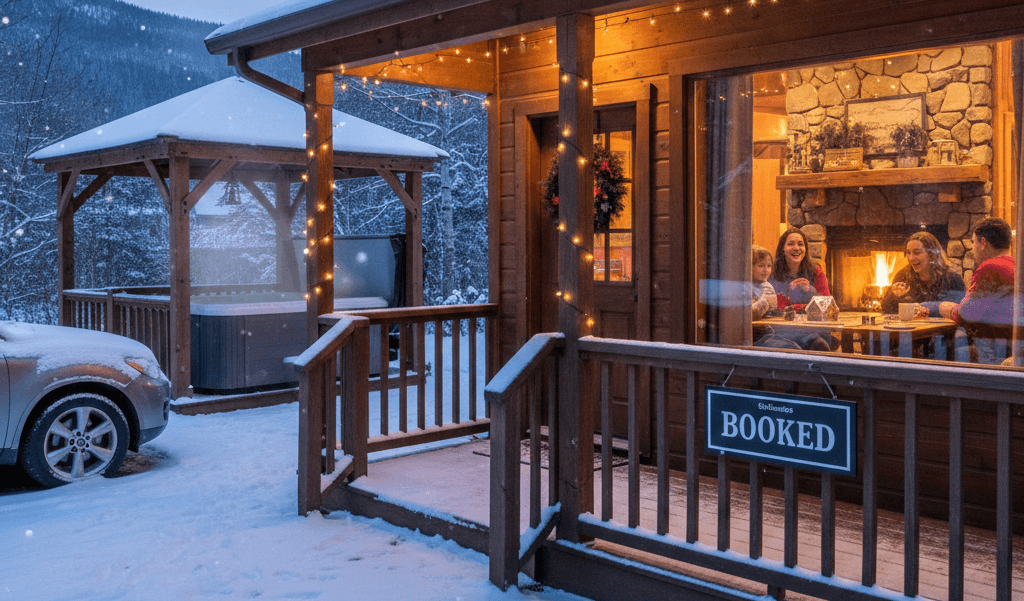
Strategies to Boost Bookings in the Airbnb Slow Season
The slow season is an opportunity for hosts to optimize their operations, attract guests, and maintain revenue. Implementing structured strategies can turn quieter periods into profitable periods. Below, we outline actionable approaches.
1. Pricing Strategies
Smart pricing is essential to attract bookings during low-demand periods. Consider these tactics:
- Dynamic pricing: Adjust nightly rates based on occupancy trends and competitor data. Tools like PriceLabs can assist in automating this process.
- Competitive nightly rates: Compare similar properties nearby and set rates that provide value without underpricing.
- Discounts for longer stays: Encourage extended bookings to maintain occupancy and reduce turnover costs.
- Remove extra person charges: Simplify pricing for larger groups to make the property more appealing.
2. Improve Listing Appeal
A compelling listing attracts attention even during the slow season:
- Seasonal photos: Update images to reflect the current season or showcase cozy amenities.
- SEO-optimized titles: Include high-impact keywords and your property’s unique selling points.
- Optimized description: Clearly outline amenities, rules, and experiences. Bullet points improve readability.
- Flexible cancellation: Guests are more willing to book if they know they can adjust plans with ease.
3. Booking Flexibility
Ease of booking can increase reservations during quieter periods:
- Lower minimum stay: Shorter stay requirements attract spontaneous travelers.
- Enable Instant Book: Streamlines booking and increases exposure in Airbnb search results.
- Flexible check-in options: Self-check-in or varied check-in windows accommodate different travel schedules.
4. Expand Your Target Audience
Attracting a wider guest base can improve occupancy:
- Pet-friendly setup: Offer amenities for pets and highlight them in your listing.
- Family-friendly amenities: Include high chairs, cribs, and toys to attract families.
- Group-friendly configurations: Emphasize multi-bedroom setups, common spaces, and sleeping capacity.
5. Marketing and Promotion
Proactive promotion drives awareness and bookings:
- Social media content: Share property updates, seasonal deals, or local attractions.
- Community-based promotion: Partner with local businesses to highlight nearby events or services.
- Referral rewards program: Encourage past guests to refer friends with small discounts or perks.
- Multi-platform exposure: List your property on Booking.com, VRBO, or other channels to reach new audiences.
6. Guest Retention
Repeat guests can stabilize revenue during the slow season:
- Reconnect with previous guests: Send personalized messages and stay top of mind.
- Offer slow season deals: Provide exclusive discounts or packages to past guests to encourage bookings.
7. Alternative Use of Property
Consider creative ways to generate income when demand drops:
- Host events: Open the property for small gatherings, workshops, or meetings.
- Short-term filming location: Rent the space for photography or video shoots.
- Remote work guest packages: Market to digital nomads with work-friendly amenities like fast Wi-Fi and desks.
Airbnb Tools for Slow Season Efficiency
Managing your property efficiently during the Airbnb slow season can improve bookings, reduce manual work, and enhance guest experience. Leveraging the right tools allows hosts to stay competitive and maintain revenue even during quieter periods.
1. Property Management System (PMS)
A professional short-term rental PMS streamlines daily operations, which is especially valuable during slow periods:
- Calendar synchronization: Automatically updates availability across multiple platforms, preventing double bookings.
- Automated messaging: Sends check-in instructions, reminders, and responses to guest inquiries without manual effort.
- Task management: Assigns cleaning and maintenance tasks automatically, ensuring smooth turnover and readiness.
2. Dynamic Pricing Tools
Dynamic pricing tools help you adjust rates and minimum stay requirements according to market demand:
- Market-responsive pricing: Tools like PriceLabs monitor competitor rates and seasonal trends, suggesting optimal pricing.
- Occupancy-based adjustments: Automatically lower or raise prices to attract bookings during low-demand periods.
- Minimum stay optimization: Set flexible minimum night requirements to capture last-minute or extended-stay bookings.
3. Booking Site Builder
Creating a direct booking website reduces dependency on listing platforms and saves on commission:
- Zero-cost website creation: Build your property’s website without coding.
- Direct bookings: Guests can book directly, lowering commission fees.
- Multi-channel publishing: Post listings to Google Vacation Rentals or other channels in one click, expanding visibility.

FAQs
1. When does the Airbnb slow season usually occur?
The slow season varies by location. In cold-weather destinations, it often falls in winter. Beach or tropical areas may have low demand in the rainy season. Analyze your local historical booking data to identify patterns for your property.
2. How can I attract bookings during the slow season?
Consider strategies such as competitive pricing, longer-stay discounts, flexible check-in, or lowering minimum nights. Highlight seasonal perks and update listing photos to match the season.
3. Should I adjust my pricing for the slow season?
Yes. Use dynamic pricing tools to respond to market trends. You can reduce rates slightly, remove extra-person fees, or offer promotions for extended stays without hurting profitability.
4. How important is flexible cancellation?
Very. Guests are more cautious during slow travel periods. Offering flexible cancellation policies increases booking confidence and improves your property’s appeal.
5. Can targeting specific guest types help during the slow season?
Absolutely. Consider family-friendly, group-friendly, or pet-friendly setups. Remote workers or long-term stay guests are also valuable during slow periods.
6. Is it worth promoting on multiple platforms?
Yes. Expanding visibility beyond Airbnb to platforms like Booking.com or VRBO can increase bookings. Direct booking websites also reduce dependency on listing platforms and save commission.
7. How can I maintain income if bookings drop during the slow season??
Leverage alternative uses for your property, such as hosting events, short-term photo/video shoots, or offering remote-work stays. These options provide supplemental income during low-demand periods.
8. Should I re-engage previous guests during the slow season?
Yes. Email past guests with seasonal offers or loyalty discounts. Repeat bookings are easier to secure and help smooth occupancy dips.
9. How can I optimize my listing during the slow season?
Update photos, refresh titles and descriptions, and emphasize seasonal advantages. Clear communication about amenities, flexible policies, and unique experiences can make your property more appealing.
Conclusion
The Airbnb slow season presents challenges, but it is also an opportunity to optimize your property and attract guests in creative ways.
Key strategies include adjusting pricing, enhancing listing appeal, offering booking flexibility, targeting specific guest types, promoting across multiple channels, and maintaining strong guest relationships. Alternative uses of your property can also provide additional income during low-demand periods.
Continuously monitor booking data, market trends, and guest behavior. Regularly adjusting your strategies based on insights ensures your property remains competitive and maintains steady occupancy throughout the slow season.

 English
  Japanese
  Spanish
  Arabic
  French
  Russian
  German
  Portuguese
  Korean
  Italian
  Thai
Thai