
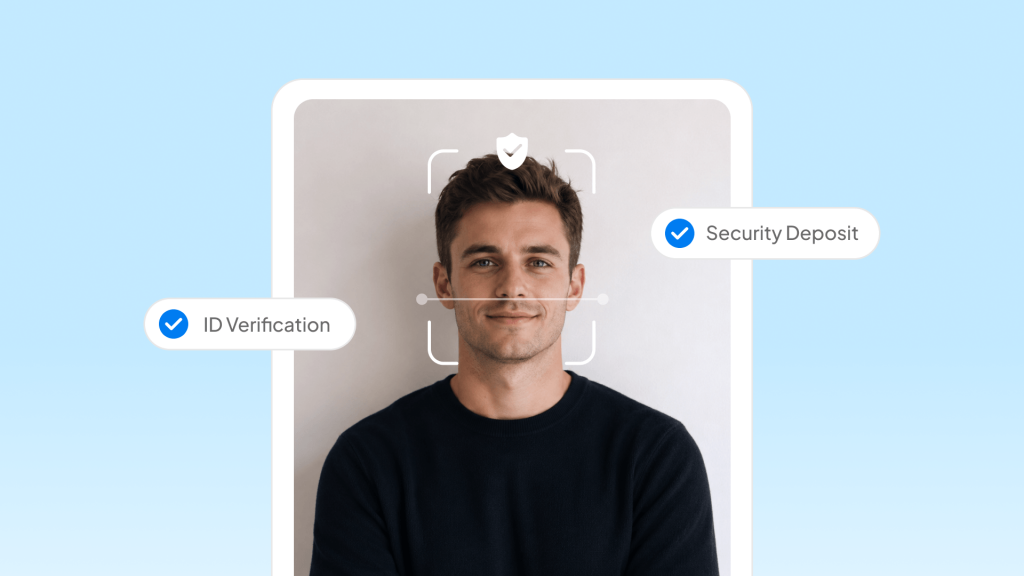
Most Airbnb bookings go smoothly. But one problematic guest can mean property damage, broken house rules, noise complaints, or a difficult claims process. You cannot eliminate every risk, but you can catch warning signs before a guest arrives. That is the purpose of Airbnb guest screening.
In this guide, we’ll look at what guest screening involves, why it matters, and how hosts can build a simple screening process using their listing, guest communication, Airbnb’s built-in tools, and third-party services.
What Is Airbnb Guest Screening?
Airbnb guest screening is the process of reviewing a potential guest and their reservation before hosting the stay. It helps hosts identify potential risks without treating every guest as suspicious.
A practical screening process has three main parts:
- Listing setup: Clear rules and accurate information set expectations before guests book.
- Guest communication: A few questions can provide context about the trip and the people staying.
- Verification and screening tools: Airbnb and third-party services can provide additional information or identify potential risks.
None of these steps needs to work alone. The goal is to look at the overall booking rather than make a decision based on one detail.
When Should You Screen an Airbnb Guest?
Screening can happen at several points in the booking process.
- Before booking: Your listing, house rules, booking settings, and guest communication can help filter reservations and identify potential concerns.
- After booking, before check-in: You can collect any information required for the stay, review relevant guest details, and make sure the guest understands important rules and requirements.
Why Is Airbnb Guest Screening Important?
Most Airbnb stays are uneventful, but a small number of problematic bookings can create costs that go well beyond the damage itself.
1. Reduce the risk of property damage
A problematic guest can cause property damage, violate house rules, require extra cleaning, or leave you with a difficult claims process. Screening gives you a chance to identify potential concerns before the stay begins.
2. Reduce the risk of parties and disruptive stays
Unauthorized parties can lead to property damage, noise complaints, and problems with neighbors or building management. For property managers, a single problematic reservation can also create significant extra work.
3. Protect your reviews, revenue, and guest relationships
The impact of a problematic stay can extend beyond the property itself. It can affect the guest experience, future bookings, and relationships with neighbors or building management.
How to Screen Airbnb Guests Before They Book
Guest screening starts before you approve a booking. Your listing, house rules, and communication with the guest can all help you identify potential problems early.
1. Set Clear House Rules
Clear rules set expectations and make it easier to spot guests who may not be a good fit for your property. Cover the basics:
- Maximum overnight guests and daytime visitors
- Quiet hours with specific times, such as 10 PM to 7 AM
- No parties or events without approval
- Smoking restrictions
- Parking limits and assigned spots
- مواعيد تسجيل الدخول والخروج
Include important rules in your listing so guests can see them before booking.
2. Be Honest About Your Property
Overselling attracts the wrong crowd.
If your place is quiet and residential, say so. Write “ideal for families and business travelers,” not a party-friendly pitch.
Photos matter too. Skip the resort-style pool shot and the wide-angle bar setup. Show the real experience.
3. Use Pricing and Minimum Stays Wisely
Budget pricing attracts budget behavior. You do not need to be the most expensive listing in town, but pricing near the bottom of your market tends to pull in guests who treat your home like a cheap hotel. Mid-range pricing draws guests who value the booking.
And, set a minimum night requirement for the riskiest dates. A three-night minimum over New Year’s Eve or a holiday weekend pushes out one-night party planners.
4. Ask a Few Questions Before You Approve
If you can communicate with a guest before accepting a booking, a few simple questions can provide useful context:
- What brings you to the area?
- Who will be joining you?
- Have you stayed in a vacation rental before?
- Do you have any questions about the house rules?
- What time do you expect to check in and out?
Look at the answers for consistency, specificity, and tone. One vague answer does not necessarily mean a guest is problematic, but evasive or defensive responses may warrant a closer look.
5. Red Flags That Should Make You Pause
Some warning signs appear before you ever exchange a message.
- Last-minute, one-night bookings: A same-day, single-night booking on a weekend is the classic party pattern, especially for a local guest. Do not auto-reject every last-minute request. Flights get missed, and plans change. Look at the full picture: location, night count, communication, and profile together.
- New accounts with no history: Every host was new once. But a brand-new account with no photo, no verified ID, and no bio, combined with a high-risk booking pattern, is a flag. Legitimate first-time users usually fill out their profile and verify their identity.
- Refusing to use platform messaging: Guests who insist on moving the conversation off the platform before booking often want to avoid the paper trail. Platform messaging protects both sides. Keep pre-booking chats on the platform.
- Third-party bookings: “I’m booking for my cousin” or “it’s for my boss” are warning signs. The person who books should be the person who stays. Third-party bookings create an accountability gap. The guest who causes damage can claim they never agreed to your rules. Airbnb prohibits most third-party bookings, and Vrbo allows them only in limited cases. Know your platform’s policy.
- Pushback on basic rules: If a guest argues about your 10 PM quiet hours before booking, picture what happens at midnight. Guests who accept rules without complaint tend to follow them.
How to Screen Airbnb Guests Before Check-In
Screening does not have to stop once a booking is confirmed.
Before check-in, you can collect required information, confirm that guests have completed the necessary steps, and resolve potential issues before giving them access to the property.
1. Collect Required Guest Information
Airbnb requires booking guests to complete identity verification, while hosts may request additional ID in certain circumstances, such as when required for legal or compliance reasons and disclosed in the listing.
A digital check-in process can make this easier by collecting the required information before arrival. For example, Hostex’s Check-in Guide allows hosts to collect guest information and communicate requirements such as ID registration before the stay.
Check that the details provided are consistent with the reservation. If something does not match, resolve it before giving the guest access rather than waiting until arrival.
2. Complete Required Steps Before Granting Access
Some hosts also require guests to complete additional steps before check-in, such as signing a rental agreement.
And a security deposit can provide an additional layer of protection for the property. With Hostex, hosts can require guests to pay a security deposit through the Check-in Guide before they receive access to check-in information such as the address or door code.
The important part is to make these requirements clear in advance and confirm that they have been completed before check-in.

Use Guest Screening Tools Wisely
Screening tools can make the process faster and more consistent, but they work best as part of your overall screening process rather than as a replacement for your own judgment.
OTA Built-in Tools
اير بي ان بي already includes several tools that can help hosts screen bookings. Guests who book homes must complete the identity verification process, although the information used for verification is not necessarily shared with hosts. Hosts using Instant Book can also require a good track record or a pre-booking message from guests. Airbnb’s reservation screening uses machine learning to identify some reservations that may have a higher risk of parties or property damage.
فربو also offers identity verification, although verification is not currently required for every guest. Hosts can use booking settings and review requests themselves when deciding whether to accept a reservation.
Third-Party Screening Service
Third-party services can add screening or verification steps across your booking workflow, which can be useful for hosts and property managers managing multiple properties or channels.
تروفي combines guest screening with optional ID verification, sex offender checks, and criminal background checks. It also offers customizable damage protection of up to $1 million per stay and charges on a per-booking basis.
STRLY provides guest verification and automated damage protection. It integrates with PMS platforms, syncs reservation information, and runs its verification and protection workflow in the background once configured.
These services connect directly to Hostex, so when a reservation lands in your calendar, they run the screen and flag high-risk bookings before the guest arrives.
Airbnb Guest Screening FAQ
Will Airbnb guest screening scare off good guests?
Not if the process is clear and reasonable.
Most guests expect hosts to have house rules and basic booking requirements. The key is to avoid unnecessary questions or intrusive checks that make the booking process feel difficult.
A consistent screening process can actually set expectations early. When guests know what is required before booking and check-in, there is less room for misunderstandings later.
What is the most effective way to screen Airbnb guests?
There is no single screening step that can identify every potential problem. The most effective approach is to combine several signals: the guest’s Airbnb profile and review history, booking details, communication, house-rule requirements, and identity verification.
For higher-volume property managers, a third-party screening service can add automated checks such as phone or email validation, ID verification, or other risk checks.
How do I screen guests who use Instant Book?
Instant Book does not mean you have to give up screening. Airbnb allows hosts using Instant Book to add requirements such as a good track record or a pre-booking message with questions for guests.
You can also set advance-notice requirements and minimum or maximum trip lengths.
Depending on your property’s requirements and local regulations, you can still ask guests to provide identification or complete other pre-check-in requirements, such as paying a security deposit, before they receive access to the property.
Can a guest screening service replace a security deposit?
Not necessarily. They serve different purposes.
A screening service helps assess the guest and identify potential risks, while a security deposit is intended to provide financial protection against eligible damage or other charges. Some services, such as Truvi and STRLY, combine guest screening with damage protection, which may reduce the need for a traditional security deposit depending on the setup and terms.
For that reason, hosts should choose between screening, deposits, damage protection, or a combination based on the property’s risk profile and the protections available through their booking platform.
What should I do if screening raises a concern after booking?
First, review the concern carefully and distinguish between a genuine risk signal and information that simply looks unusual. If the issue involves a missing requirement, inconsistent information, or a potential house-rule violation, address it with the guest through the platform and give them an opportunity to clarify.
If you believe the guest intends to violate a house rule or there is another legitimate reason you cannot honor the reservation, contact Airbnb before taking action. Hosts should not ask guests to cancel on their behalf, and canceling a confirmed reservation can result in fees or other consequences unless Airbnb determines that a valid exception applies.
 Arabic
  English
  Japanese
  Spanish
  French
  Russian
  German
  Portuguese
  Korean
  Italian
  Thai
Thai